






















What Is Speck in Italy? A Guide to This Traditional Italian Cured Meat
Discover what speck is in Italy, its origins in South Tyrol, how it’s made, how it tastes, and how Italians traditionally enjoy this cured meat.

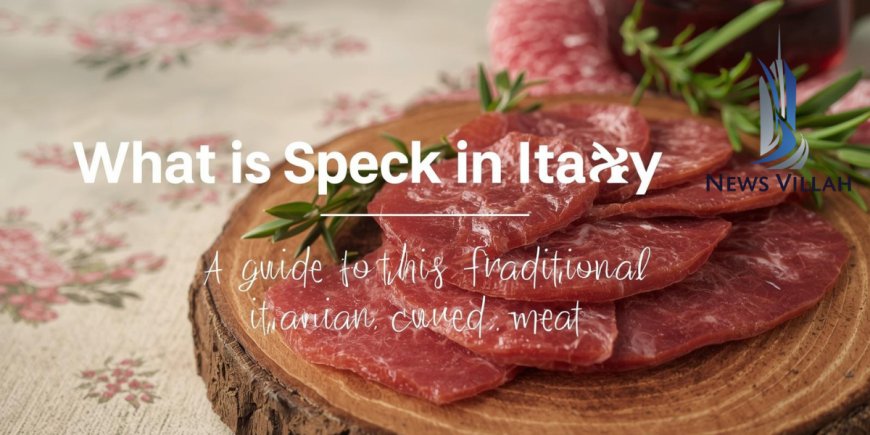
Italian cuisine is celebrated worldwide for its depth, regional diversity, and respect for tradition. While many people immediately think of pasta, pizza, or olive oil, Italy’s cured meats are just as central to its culinary identity. Among these, speck stands out as a product that reflects history, geography, and craftsmanship. For food lovers unfamiliar with it, understanding what is speck in italy opens the door to one of the country’s most distinctive delicacies.
This guide explores speck in detail—from its origins and production to its flavor, uses, and cultural significance—without relying on rumors or exaggeration. Whether you are a curious home cook or an enthusiast of traditional foods, this article offers a complete and reliable overview.
Understanding What Makes Speck Unique
To understand what is speck in italy, it helps to begin with its basic definition. Speck is a dry-cured, lightly smoked ham made from the hind leg of pork. Unlike many other Italian cured meats, speck combines two preservation techniques: salting and smoking, followed by long air-drying.
This dual method gives speck a flavor profile that is both delicate and complex. It is not as salty as some cured meats, nor as smoky as heavily smoked hams. Instead, speck achieves a balanced taste that reflects its Alpine origins.
The Regional Roots of Speck
Speck comes from South Tyrol, also known as Alto Adige, a mountainous region in northern Italy bordering Austria and Switzerland. This area has a unique cultural identity shaped by both Italian and Germanic traditions. The local climate—cool, dry, and clean—plays a vital role in curing meat naturally.
Historically, speck was created out of necessity. Before refrigeration, families needed reliable ways to preserve pork through long winters. Over time, what began as a survival technique evolved into a refined culinary tradition. Today, asking what is speck in italy also means exploring the history of South Tyrol itself.
Ingredients and Traditional Seasoning
One of the defining features of speck is its minimal ingredient list. High-quality pork is essential, but seasoning matters just as much. Traditional speck is rubbed with salt and a blend of spices that typically includes black pepper, juniper berries, bay leaves, and rosemary.
These spices enhance the natural flavor of the meat rather than overpowering it. When people ask what is speck in italy, the answer often highlights this simplicity, which allows the craftsmanship and raw ingredients to shine.
The Smoking and Curing Process
Speck’s production follows a carefully controlled process. After seasoning, the meat undergoes light cold smoking. This step uses natural woods, often beech, and is done at low temperatures to avoid cooking the meat.
Following smoking, the ham is air-dried for several months. The clean Alpine air slowly removes moisture while deepening the flavor. This combination of smoking and drying is central to understanding what is speck in italy, as it distinguishes speck from other Italian hams.
Speck Alto Adige IGP Certification
Authentic speck is protected by the European Union’s IGP (Protected Geographical Indication) status. Products labeled “Speck Alto Adige IGP” must follow strict production rules and originate from the designated region.
This certification guarantees quality, origin, and traditional methods. When consumers research what is speck in italy, the IGP label serves as a reliable indicator of authenticity and craftsmanship.
Flavor Profile and Texture
Speck has a firm yet tender texture, with a balanced ratio of lean meat to fat. The flavor is mildly salty, gently smoky, and slightly herbal, with a clean finish that does not linger too heavily on the palate.
Compared to other cured meats, speck is less aggressive in taste, making it versatile in both simple and elaborate dishes. This nuanced flavor is often highlighted when explaining what is speck in italy to first-time tasters.
How Speck Differs from Prosciutto and Pancetta
Italian cured meats are often confused with one another, but each has a distinct identity. Prosciutto is air-dried only and has no smoky element. Pancetta is made from pork belly and is richer and fattier.
Speck, by contrast, is made from the hind leg and lightly smoked. This distinction helps clarify what is speck in italy and why it occupies a unique place among Italian salumi.
Traditional Ways Italians Eat Speck
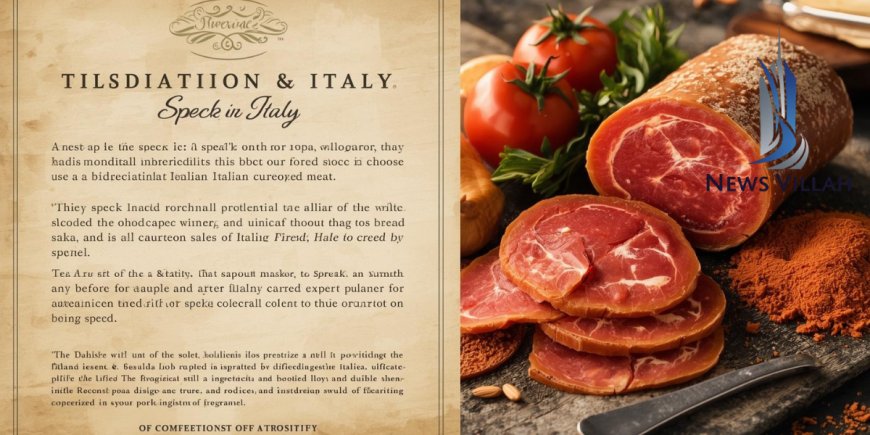
In South Tyrol, speck is commonly sliced thin and served with rustic bread, local cheeses, and pickled vegetables. It may also be enjoyed with simple accompaniments like apples or mustard, allowing the meat’s flavor to remain the focus.
These traditional pairings show that what is speck in italy is not just a product, but part of a broader food culture rooted in balance and seasonality.
Speck in Modern Italian Cooking
Beyond traditional serving styles, speck has found a place in modern Italian cuisine. Chefs use it in pasta dishes, risottos, and even as a topping for pizzas. Its mild smokiness adds depth without dominating other ingredients.
This adaptability is one reason why interest in what is speck in italy has grown internationally, particularly among home cooks experimenting with Italian flavors.
Nutritional Considerations
Like most cured meats, speck is rich in protein and provides essential vitamins such as B12 and minerals like iron. However, it also contains salt and fat, so moderation is key.
Understanding what is speck in italy includes recognizing how it fits into a balanced diet—best enjoyed as part of a varied and mindful approach to eating.
How to Store and Serve Speck
Proper storage helps preserve speck’s quality. Whole pieces should be kept cool and wrapped in breathable material, while sliced speck should be refrigerated and consumed within a short time.
Serving speck at room temperature allows its aromas and flavors to fully develop. These practical details often come up when people explore what is speck in italy beyond simple definitions.
Speck Outside of Italy
Today, speck is available in specialty food shops around the world. While many producers outside Italy make similar products, authentic speck from South Tyrol remains distinctive due to its regional methods and environment.
For those learning what is speck in italy, tasting an authentic IGP-certified speck provides the clearest understanding of its true character.
Why Speck Matters in Italian Food Culture
Speck represents more than a cured meat. It reflects regional identity, respect for tradition, and a deep connection between food and landscape. Each step in its production tells a story shaped by climate, history, and craftsmanship.
This cultural depth is a key reason why what is speck in italy continues to be a topic of interest for food historians, chefs, and travelers alike.
Conclusion
So, what is speck in italy? It is a traditional cured meat from South Tyrol, defined by its careful seasoning, light smoking, and slow air-drying. More than just an ingredient, speck embodies the balance between preservation and flavor, simplicity and sophistication.
By understanding its origins, production, and uses, you gain insight into a lesser-known but deeply meaningful part of Italian culinary heritage. Whether enjoyed simply on bread or incorporated into modern dishes, speck remains a testament to Italy’s enduring food traditions.
What's Your Reaction?
 Like
0
Like
0
 Dislike
0
Dislike
0
 Love
0
Love
0
 Funny
0
Funny
0
 Angry
0
Angry
0
 Sad
0
Sad
0
 Wow
0
Wow
0