






















Sparkling Sake Guide: Taste, Alcohol Content, and Best Brands to Try
Discover sparkling sake’s taste, alcohol content, and how it’s made. Explore top brands to try, food pairings, and tips for choosing the perfect bubbly sake.

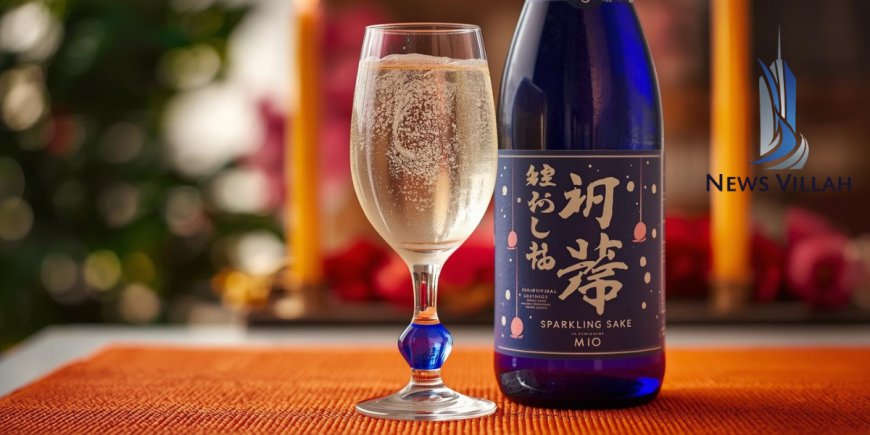
Table of Contents
- Preface
- What Is Sparkling Sake?
- How Sparkling Sake Is Made
- Taste Profile: What Does Sparkling Sake Taste Like?
- Alcohol Content of Sparkling Sake
- Why Sparkling Sake Is Growing in Popularity
- Best Brands to Try
- Food Pairing Suggestions
- Serving Tips for Sparkling Sake
- Sparkling Sake vs. Champagne
- Health and Moderation
- Can You Use Sparkling Sake in Cocktails?
- How to Choose the Right Sparkling Sake
- Storage and Shelf Life
- Final Thoughts
-
Preface
In recent years, sparkling beverages have expanded far beyond champagne and prosecco. Among the most exciting options is sparkling sake, a refreshing and effervescent twist on traditional Japanese rice wine. Light, bubbly, and often slightly sweet, it offers a modern gateway into the world of sake for both newcomers and experienced enthusiasts.
In this comprehensive guide, we’ll explore what sparkling-sake is, how it tastes, its alcohol content, how it’s made, and some of the best brands to try. Whether you’re planning a celebration or simply curious about expanding your palate, this guide will help you understand everything you need to know.
-
What Is Sparkling Sake?
Sparkling sake is a carbonated version of traditional Japanese sake (nihonshu). Unlike still sake, it contains bubbles created either through natural fermentation or artificial carbonation. The result is a lively, crisp beverage with a lighter mouthfeel and a festive character.
While traditional sake has been enjoyed in Japan for centuries, sparkling-sake is a relatively modern innovation designed to appeal to contemporary tastes. Its approachable flavor and lower alcohol content make it especially popular among younger drinkers and those new to sake.
-
How Sparkling Sake Is Made
There are two primary methods used to create sparkling sake:
Natural Secondary Fermentation
In this traditional approach, sake undergoes a second fermentation inside the bottle, similar to champagne production. Yeast consumes remaining sugars and produces natural carbonation. This method often results in finer bubbles and a more complex flavor profile.
Forced Carbonation
Some producers inject carbon dioxide into the sake, much like soda production. This method is more cost-effective and allows for consistent carbonation levels.
Both methods can produce high-quality sparkling-sake, though naturally fermented varieties are often considered more premium.
-
Taste Profile: What Does Sparkling Sake Taste Like?
One of the most appealing aspects of sparkling sake is its flavor versatility. While taste varies by brand and brewing method, common characteristics include:
-
Light sweetness
-
Fruity notes such as pear, apple, or melon
-
Floral aromas
-
Crisp, refreshing finish
-
Gentle acidity
Compared to traditional sake, spark sake tends to be lighter and more refreshing. The bubbles enhance its brightness, making it an excellent aperitif or celebratory drink.
Some varieties lean sweeter, while others are dry and crisp. Checking the sake meter value (SMV) can help determine sweetness levels.
-
-
Alcohol Content of Sparkling Sake
Traditional sake typically ranges between 14% and 16% alcohol by volume (ABV). Sparkling sake, however, usually has a lower alcohol content, often between 5% and 12% ABV.
Lower alcohol levels make spark sake more approachable and suitable for casual occasions. Some varieties are even comparable to beer or cider in strength, making them ideal for daytime gatherings or light meals.
Always check the label, as alcohol content can vary significantly between producers.
-
Why Sparkling Sake Is Growing in Popularity
The global beverage market has shifted toward lighter, more refreshing drinks. Sparkling sake fits perfectly into this trend for several reasons:
-
Visually appealing presentation
-
Easy-to-drink flavor profile
-
Versatility in food pairing
-
Lower alcohol content
-
Modern packaging and branding
It’s also becoming popular in cocktail culture, where bartenders use sake as a base for creative drinks.
-
-
Best Brands to Try
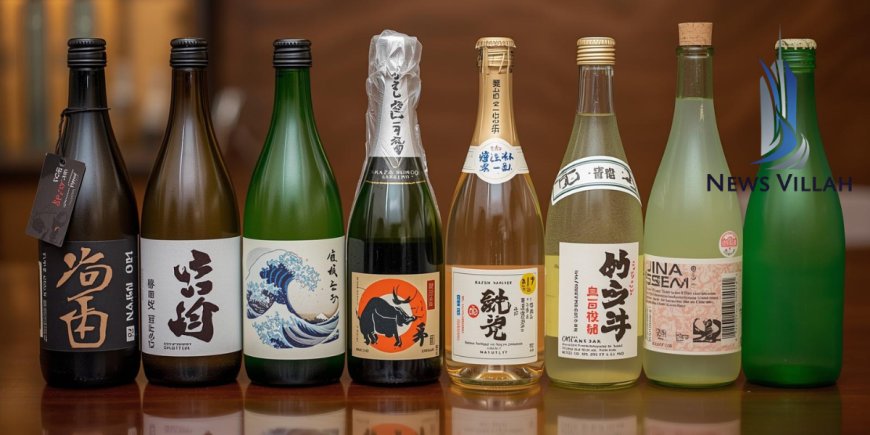
Sparkling Sake If you’re new to sparkling sake, here are some well-known brands worth exploring:
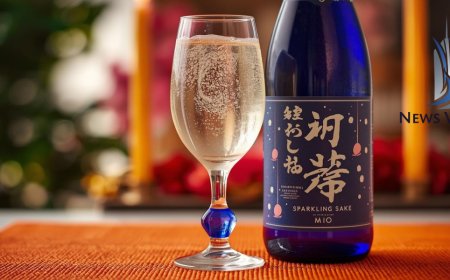
Mio (Takara)
Mio is one of the most internationally recognized sake brands. It’s lightly sweet, fruity, and low in alcohol (around 5% ABV), making it perfect for beginners.
Dassai Sparkling 50
Produced by the renowned Dassai brewery, this premium sake offers elegant bubbles and refined fruit notes. It’s naturally fermented and slightly sweeter, with a smooth finish.
Sho Chiku Bai Shirakabegura
This brand offers a balanced option with subtle sweetness and crisp carbonation. It’s widely available and approachable.
Kikusui Funaguchi Sparkling
Known for its bold flavor and vibrant carbonation, this option appeals to those who prefer a slightly stronger taste.
When choosing sparkling, consider sweetness level, alcohol content, and brewing method to match your preferences.
-
Food Pairing Suggestions
Sparkling sake is surprisingly versatile when it comes to food pairings. The bubbles cleanse the palate, making it suitable for various cuisines.
Great Pairings Include:
-
Sushi and sashimi
-
Tempura
-
Light salads
-
Fresh fruit
-
Soft cheeses
-
Fried chicken
-
Spicy Asian dishes
Because sake often has a hint of sweetness, it pairs beautifully with mildly spicy foods and salty appetizers.
-
-
Serving Tips for Sparkling Sake
To enjoy sparkling sake at its best, follow these serving guidelines:
-
Serve chilled (around 40–45°F or 5–7°C)
-
Use a wine glass or flute to enhance aromas
-
Open carefully to avoid overflow
-
Store upright in the refrigerator
Chilling enhances the crispness and balances sweetness, making the bubbles more refreshing.
-
-
Sparkling Sake vs. Champagne
Although both are bubbly beverages, sparkling sake differs significantly from champagne:
Feature
Sparkling Sake
Champagne
Base Ingredient
Rice
Grapes
Alcohol Content
5–12%
12–13%
Flavor Profile
Fruity, lightly sweet
Dry, yeasty
Acidity
Moderate
Higher
Cultural Origin
Japan
France
Sparkling-sake is generally softer and less acidic, making it gentler on the palate.
-
Health and Moderation
Like all alcoholic beverages, sparkling sake should be enjoyed responsibly. While it may contain fewer additives than some cocktails, it still contains alcohol and calories.
Moderate consumption can be part of a balanced lifestyle, but excessive intake should be avoided. Always follow local legal drinking age laws and guidelines.
-
Can You Use Sparkling Sake in Cocktails?
Yes! Sparkling sake is increasingly used in mixology. It pairs well with:
-
Fresh citrus juice
-
Elderflower liqueur
-
Fresh berries
-
Mint
-
Lychee syrup
Because sparkling=sake already has carbonation, it can replace prosecco or champagne in cocktail recipes for a Japanese-inspired twist.
-
-
How to Choose the Right Sparkling Sake
When shopping, look for:
-
Brewing method (natural vs. carbonated)
-
Alcohol percentage
-
Sweetness level
-
Brand reputation
-
Ingredient transparency
If you’re new, start with a lower ABV and slightly sweet variety before exploring drier options.
-
-
Storage and Shelf Life
Sparkling sake is best consumed fresh. Once opened, it should be refrigerated and consumed within 1–2 days to preserve carbonation and flavor.
Unopened bottles typically have a shelf life of several months to a year, depending on the brand.
-
Final Thoughts
Sparkling sake offers a refreshing, modern take on traditional Japanese brewing. With its light bubbles, approachable sweetness, and versatile pairing potential, it has earned a place among the world’s favorite celebratory drinks.
Whether you’re exploring new beverages, planning a dinner party, or looking for a unique alternative to champagne, sake delivers both elegance and accessibility. From naturally fermented premium bottles to affordable entry-level options, there’s something for every taste and occasion.
As interest in global flavors continues to grow, sake stands out as a delightful blend of tradition and innovation—proof that even centuries-old beverages can evolve beautifully for modern palates.
What's Your Reaction?
 Like
0
Like
0
 Dislike
0
Dislike
0
 Love
0
Love
0
 Funny
0
Funny
0
 Angry
0
Angry
0
 Sad
0
Sad
0
 Wow
0
Wow
0