






















Does Sake Expire? Signs Your Sake Has Gone Bad (And How to Store It Properly)
Does sake expire? Learn how long sake lasts, how to spot signs of spoilage, and the best storage tips to keep your sake fresh and flavorful.

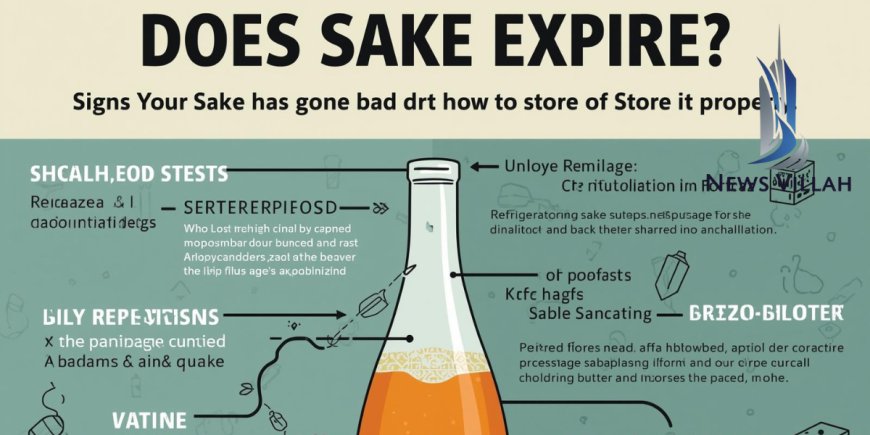
Table of Contents
- Preface
- Understanding What Sake Really Is
- Does Sake Expire or Just Change Over Time?
- Shelf Life of Unopened Sake
- What Happens When Sake Ages?
- Shelf Life of Opened Sake
- Signs Your Sake Has Gone Bad
- Is Drinking Expired Sake Dangerous?
- How to Store Sake Properly
- Does Sake Improve With Age?
- Comparing Sake to Wine and Spirits
- Common Storage Mistakes to Avoid
- How to Enjoy Sake at Its Best
- Final Thoughts
-
Preface
Sake has been enjoyed for centuries as a refined and cultural beverage, yet many people outside Japan are still unsure how to treat it once they bring a bottle home. One of the most common questions beginners and even seasoned drinkers ask is: does sake expire?
Unlike spirits with high alcohol content or wines that can age gracefully, sake follows its own unique rules. In this detailed guide, we’ll break down how long sake lasts, how to tell when it has gone bad, and the best storage practices to preserve its flavor and aroma. Whether you’re a casual drinker or a serious enthusiast, understanding sake’s shelf life will help you enjoy every bottle at its best.
-
Understanding What Sake Really Is
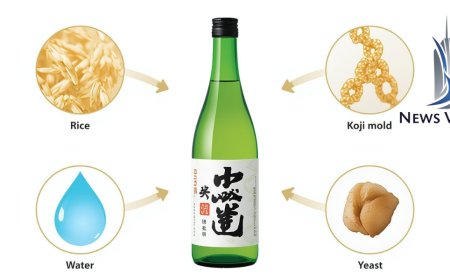
Before answering does sake expire, it helps to understand what sake actually is. Sake (more accurately called nihonshu in Japan) is a brewed beverage made from polished rice, water, yeast, and koji mold. Its production process is closer to beer or wine than to distilled spirits like vodka or whiskey.
Most sake has an alcohol content of around 14–16%, which is strong enough to provide some preservation but not enough to make it shelf-stable indefinitely. This brewing method is the main reason sake behaves differently over time compared to other alcoholic drinks.
-
Does Sake Expire or Just Change Over Time?
So, does sake expire in the strictest sense? The answer is both yes and no.
Technically, sake does not “expire” like milk or juice with a clear safety cutoff. However, it does degrade in quality, and eventually, it can spoil if stored improperly. The flavors, aromas, and balance that make sake enjoyable can fade, oxidize, or turn unpleasant over time.
Most sake is meant to be consumed relatively fresh, especially compared to wine. While there are exceptions, freshness is generally a key factor in sake enjoyment.
-
Shelf Life of Unopened Sake
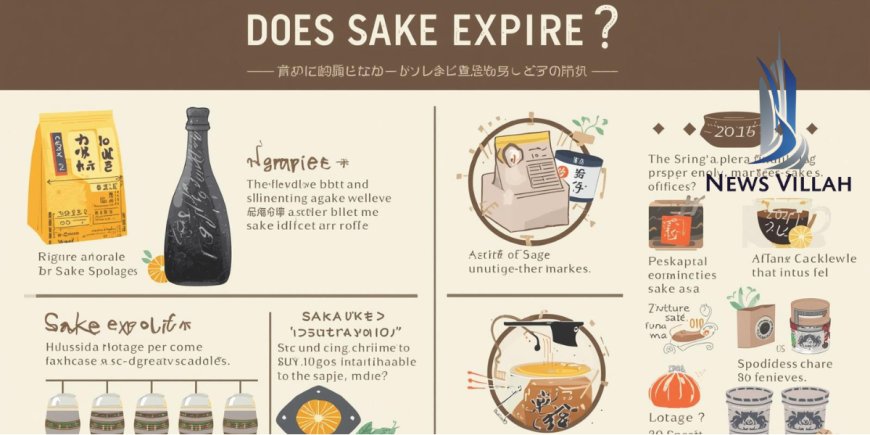
Does Sake Expire When people ask does sake expire, they’re often referring to unopened bottles sitting on a shelf.
-
Unopened, pasteurized sake: Best enjoyed within 12–24 months of bottling
-
Unpasteurized sake (Nama): Best consumed within 6 months and kept refrigerated at all times
Many bottles include a bottling date rather than an expiration date. This is intentional, as sake quality depends more on storage conditions than a fixed timeline.
Stored in a cool, dark place, unopened sake can remain drinkable beyond these timeframes, but its flavor profile may not reflect the brewer’s original intention.
-
-
What Happens When Sake Ages?
Another angle to the question does sake expire is how aging affects taste.
As sake ages, several changes may occur:
-
Fresh, fruity notes may fade
-
Umami flavors may become more pronounced
-
Oxidation can introduce nutty or sherry-like aromas
-
Color may deepen from clear to yellowish
Some specialty sakes, known as koshu (aged sake), are intentionally matured for years. These are crafted differently and should not be confused with standard sake that has simply been stored too long.
-
-
Shelf Life of Opened Sake
Once a bottle is opened, the clock starts ticking much faster. Oxygen, light, and temperature changes all affect sake’s stability.
If you’re wondering does sake expire after opening, here’s what to know:
-
Refrigerated sake: Best consumed within 3–7 days
-
High-quality ginjo or daiginjo: Ideally within 2–3 days
-
Lower-grade sake: May last up to a week with proper refrigeration
After opening, flavors begin to dull, and oxidation accelerates. While it may still be safe to drink after a week, the taste will likely be far from ideal.
-
-
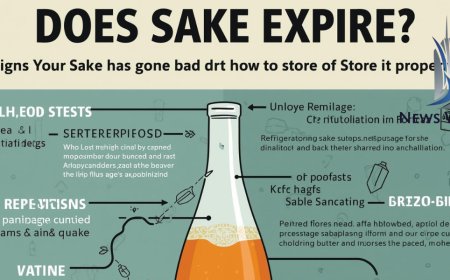
Signs Your Sake Has Gone Bad
Understanding spoilage signs is essential when considering does sake expire in practical terms.
1. Sour or Vinegar-Like Smell
Fresh sake has a clean, subtle aroma. A sharp or acidic smell is a strong indicator of spoilage.
2. Unpleasant Taste
If the sake tastes bitter, overly sour, or metallic, it has likely passed its prime.
3. Cloudiness (When It Should Be Clear)
Most sake is clear. Unexpected cloudiness can indicate bacterial growth, unless the sake is intentionally unfiltered.
4. Color Changes
A deep yellow or brown hue in standard sake often signals oxidation or age-related degradation.
If you notice multiple signs, it’s best to discard the bottle rather than risk an unpleasant experience.
-
Is Drinking Expired Sake Dangerous?
Many people asking does sake expire are concerned about safety.
In most cases, drinking old sake won’t make you sick, especially if it has been refrigerated. However, spoiled sake can cause stomach discomfort and will almost certainly taste bad. If the smell or appearance seems off, trust your senses.
When in doubt, it’s better to pour it out.
-
How to Store Sake Properly
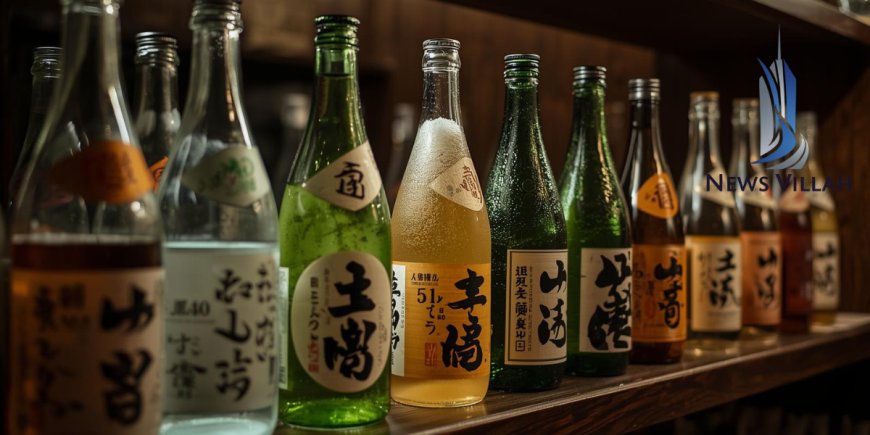
Proper storage is the single most important factor in preserving sake quality.
1. Keep It Cool
Heat accelerates chemical reactions. Refrigeration is ideal, especially for premium sake.
2. Avoid Light
UV light damages sake. Store bottles away from sunlight or fluorescent lighting.
3. Store Upright
Unlike wine, sake should be stored upright to minimize oxidation and prevent cork contamination (if applicable).
4. Seal Tightly After Opening
Use the original cap and minimize air exposure.
Following these steps greatly reduces the chances that you’ll have to ask does sake expire sooner than expected.
-
Does Sake Improve With Age?
This is another common misconception behind the question does sake expire.
Most sake is not designed to age. Unlike wine, aging rarely improves standard sake. Only specific aged varieties are intentionally brewed for long-term storage.
For the vast majority of bottles, freshness equals quality.
-
Comparing Sake to Wine and Spirits
Understanding how sake compares to other alcohols helps clarify why expiration is such a common concern.
-
Wine: Can age for decades under ideal conditions
-
Spirits: Essentially shelf-stable once bottled
-
Sake: Best consumed fresh, sensitive to light and heat
This sensitivity explains why so many people ask does sake expire more often than they ask the same about whiskey or vodka.
-
-
Common Storage Mistakes to Avoid
Even high-quality sake can degrade quickly if mishandled.
Avoid these mistakes:
-
Storing sake at room temperature for long periods
-
Leaving opened bottles unrefrigerated
-
Exposing bottles to direct sunlight
-
Assuming all sake ages like wine
Correcting these habits will dramatically improve your drinking experience.
-
-
How to Enjoy Sake at Its Best
To avoid worrying about does sake expire, the simplest solution is mindful consumption.
-
Buy bottles you plan to drink soon
-
Note the bottling date when purchasing
-
Refrigerate promptly after opening
-
Pair sake with food to enhance flavor
Enjoying sake fresh allows you to experience the brewer’s craftsmanship as intended.
-
-
Final Thoughts
So, does sake expire? While it may not have a strict expiration date, sake absolutely has a limited window where it tastes its best. Time, oxygen, light, and temperature all play critical roles in determining how long a bottle remains enjoyable.
By understanding the signs of spoilage and following proper storage practices, you can confidently enjoy sake without wasting a drop. Treated with care, sake rewards drinkers with delicate aromas, balanced flavors, and a uniquely satisfying experience.
In the end, sake isn’t about aging — it’s about timing. Drink it fresh, store it wisely, and you’ll never have to second-guess whether your sake has gone bad.
What's Your Reaction?
 Like
0
Like
0
 Dislike
0
Dislike
0
 Love
0
Love
0
 Funny
0
Funny
0
 Angry
0
Angry
0
 Sad
0
Sad
0
 Wow
0
Wow
0