





















How Is Sake Made? From Polished Rice to Perfect Pour Explained
Discover how sake is made from polished rice to fermentation and bottling. Learn the complete brewing process, key ingredients, and traditional techniques behind this iconic Japanese drink.

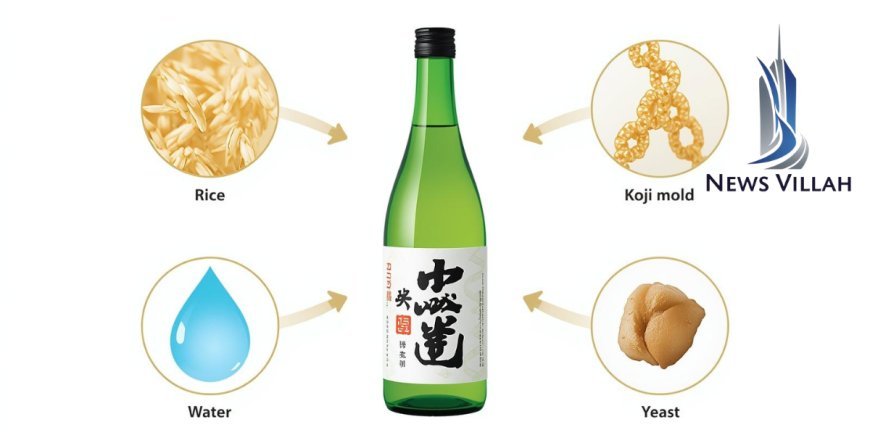
Table of Contents
- Preface
- Understanding the Basics of Sake
- Step 1: Selecting and Polishing the Rice
- Step 2: Washing, Soaking, and Steaming
- Step 3: Creating Koji – The Heart of Sake Brewing
- Step 4: Preparing the Yeast Starter (Shubo)
- Step 5: Main Fermentation (Moromi)
- Step 6: Pressing the Sake
- Step 7: Filtration and Refinement
- Step 8: Pasteurization
- Step 9: Aging and Maturation
- Step 10: Dilution and Bottling
- Types of Sake Based on Production
- The Role of Water
- Temperature Control and Climate
- Traditional Craft Meets Modern Technology
- How to Enjoy the Final Product
- Why Sake Brewing Is Unique
- Sustainability and Modern Brewing Trends
- Conclusion
-
Preface
Sake has captivated drinkers around the world with its delicate aroma, layered flavors, and deep cultural heritage. Yet many enthusiasts still ask the same fundamental question: how is sake made? The answer involves a fascinating blend of agricultural precision, microbiology, craftsmanship, and centuries-old Japanese tradition.
In this comprehensive guide, we will explore how is sake made from start to finish—beginning with rice polishing and ending with the perfect pour in your glass. Whether you're a casual wine lover, a culinary explorer, or simply curious about traditional brewing methods, this detailed breakdown will help you understand the full journey behind every bottle.
-
Understanding the Basics of Sake
Before diving into the technical process, it’s important to clarify what sake actually is.
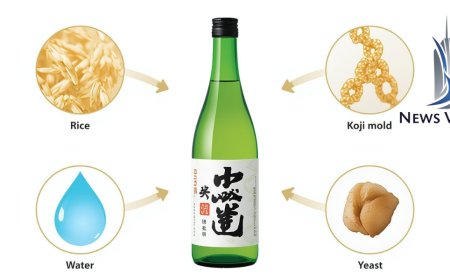
Sake—more accurately called nihonshu in Japan—is an alcoholic beverage brewed from rice, water, yeast, and a special fermentation mold called koji. Unlike wine, which ferments sugars naturally present in grapes, sake requires a unique two-step fermentation process to convert starch into alcohol.
To truly understand how is sake made, you must first appreciate that sake brewing combines elements of both beer brewing and winemaking.
-
Step 1: Selecting and Polishing the Rice
The journey begins with rice. However, not just any rice can be used. Sake rice, known as sakamai, is specifically cultivated for brewing. It has larger grains and a starchy core called shinpaku, which plays a key role in fermentation.
One of the most critical steps in how is sake made is rice polishing.
Why Polishing Matters
The outer layers of rice grains contain proteins, fats, and impurities that can negatively affect flavor. Brewers polish the rice to remove these outer layers, leaving behind the pure starch center.
Polishing ratios vary:
-
Premium sake may have 50% or more of the grain polished away.
-
Higher polishing often results in lighter, more refined flavors.
The degree of polishing significantly influences the final taste profile.
-
-
Step 2: Washing, Soaking, and Steaming
Once polished, the rice must be washed thoroughly to remove residual powder created during milling. It is then soaked in carefully timed intervals to achieve precise moisture levels.
After soaking, the rice is steamed—not boiled. Steaming ensures:
-
The outer layer remains firm
-
The inner starch becomes soft enough for fermentation
Temperature and timing at this stage are crucial in determining the structure and quality of the final brew.
-
-
Step 3: Creating Koji – The Heart of Sake Brewing
A key component in understanding how is sake made is the introduction of koji mold (Aspergillus oryzae).
What Is Koji?
Koji is a fermentation mold that converts rice starch into fermentable sugars. Without this step, yeast would not be able to produce alcohol.
The Koji Room
Steamed rice is spread out in a special room called a koji muro, where:
-
Temperature and humidity are strictly controlled
-
Koji spores are carefully distributed
-
The rice is monitored for about 48 hours
This stage requires significant expertise. Brewers check texture, aroma, and heat levels constantly.
Koji development is often considered the most skill-intensive part of the brewing process.
-
-
Step 4: Preparing the Yeast Starter (Shubo)
Next comes the yeast starter, also known as shubo or moto.
To fully grasp how is sake made, it’s important to understand that sake uses a method called multiple parallel fermentation.
What Happens Here?
-
Koji rice
-
Steamed rice
-
Water
-
Yeast
are combined in small batches to create a stable fermentation base.
Lactic acid is introduced naturally or added manually to protect the mixture from unwanted bacteria. This step typically takes about two weeks.
The result is a strong yeast culture ready for large-scale fermentation.
-
-
Step 5: Main Fermentation (Moromi)
The main fermentation stage, known as moromi, answers much of the question surrounding how is sake made.
Unlike beer or wine, sake fermentation happens in three stages over four days. This method is called sandanjikomi (three-step addition).
Why Three Stages?
Gradual addition helps:
-
Maintain yeast health
-
Control alcohol production
-
Ensure balanced sugar conversion
During this phase:
-
Koji continues converting starch into sugar
-
Yeast converts sugar into alcohol
-
Fermentation temperatures are tightly controlled
This stage lasts 18–32 days depending on the style.
Alcohol levels naturally reach around 18–20% before dilution.
-
-
Step 6: Pressing the Sake
After fermentation, the mixture contains both liquid and rice solids. Pressing separates the clear sake from the leftover rice mash.
Methods include:
-
Traditional cloth pressing
-
Modern mechanical presses
-
Gravity drip for premium varieties
At this point, the liquid resembles cloudy sake if left unfiltered.
-
-
Step 7: Filtration and Refinement
To refine flavor and appearance, brewers filter the sake. Some varieties use charcoal filtration to remove color and minor impurities.
However, not all sake is heavily filtered. Certain types, like nigori, intentionally retain some cloudiness.
Understanding these variations adds depth to the broader explanation of how is sake made.
-
Step 8: Pasteurization
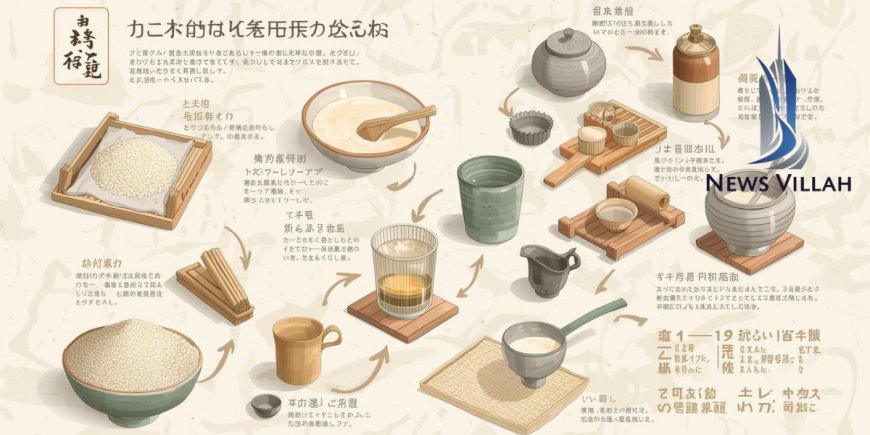
How is Sake Made Most sake undergoes pasteurization twice:
-
After pressing
-
Before bottling
Pasteurization stabilizes flavor and prevents unwanted bacterial growth.
Some premium varieties skip pasteurization, resulting in fresher but more delicate products that require refrigeration.
-
-
Step 9: Aging and Maturation
Unlike wine, sake is generally not aged for years. Most varieties mature for 6–12 months before release.
However, certain specialty styles are aged longer, producing:
-
Deeper amber color
-
Richer umami flavors
-
More complex aroma
Aging conditions—temperature and storage method—greatly influence the final result.
-
-
Step 10: Dilution and Bottling
Before bottling, many brewers dilute sake with pure water to reduce alcohol from 18–20% down to about 15–16%.
This final adjustment ensures balance and drinkability.
Once bottled, the sake is labeled and distributed, ready for enjoyment worldwide.
-
Types of Sake Based on Production
To further understand how is sake made, it's useful to explore major classifications:
-
Junmai: Pure rice sake without added alcohol
-
Ginjo: Higher polishing ratio, lighter aroma
-
Daiginjo: Premium, highly polished rice
-
Honjozo: Small amount of distilled alcohol added
Each type reflects variations in polishing, fermentation, and refinement.
-
-
The Role of Water
Water quality is often overlooked when asking how is sake made, but it plays a vital role.
Ideal brewing water should:
-
Be low in iron and manganese
-
Contain moderate minerals
-
Be extremely pure
Famous brewing regions in Japan are often located near pristine water sources.
-
-
Temperature Control and Climate
Climate significantly influences brewing style.
Cold winter months are traditionally preferred because:
-
Lower temperatures allow slow fermentation
-
Flavor development becomes more refined
-
Risk of contamination decreases
Even today, many breweries operate seasonally for this reason.
-
-
Traditional Craft Meets Modern Technology
While tradition remains central to how is sake made, modern innovations have improved consistency and safety.
Advanced monitoring systems now:
-
Track fermentation temperature digitally
-
Analyze yeast activity
-
Ensure quality control
However, the core techniques remain rooted in centuries-old craftsmanship.
-
-
How to Enjoy the Final Product
Once you understand how is sake made, appreciation naturally deepens.
Sake can be served:
-
Chilled
-
At room temperature
-
Warmed gently
The serving style depends on the type and personal preference.
Pairings include:
-
Sushi and sashimi
-
Grilled meats
-
Cheese
-
Even desserts
-
-
Why Sake Brewing Is Unique
What makes sake special compared to other alcoholic beverages?
The defining characteristic lies in simultaneous saccharification and fermentation. This dual process is rare in the beverage world and requires extraordinary skill.
Understanding how is sake made reveals a remarkable balance of biology, chemistry, and artistry.
-
Sustainability and Modern Brewing Trends
In recent years, many breweries have embraced sustainability by:
-
Reducing water waste
-
Supporting local rice farmers
-
Implementing energy-efficient systems
Craft breweries outside Japan are also experimenting with local rice varieties while respecting traditional methods.
-
-
Conclusion
So, how is sake made from polished rice to perfect pour?
It begins with carefully selected rice, polished to precision. It moves through steaming, koji cultivation, yeast starter development, and multiple parallel fermentation. After pressing, filtering, pasteurizing, and aging, the result is a beverage that reflects centuries of Japanese tradition.
Understanding how is sake made enhances not only your appreciation of its flavor but also your respect for the artisans behind every bottle. Each step requires patience, scientific knowledge, and dedication.
The next time you raise a glass, you’ll know the extraordinary journey it took—from a simple grain of rice to a refined and elegant pour.
What's Your Reaction?
 Like
0
Like
0
 Dislike
0
Dislike
0
 Love
0
Love
0
 Funny
0
Funny
0
 Angry
0
Angry
0
 Sad
0
Sad
0
 Wow
0
Wow
0