




























Ghost Mantis: Why This Incredible Insect Looks Like a Dead Leaf
Discover why the ghost mantis looks like a dead leaf and how its incredible camouflage helps it survive in the wild. Explore its habitat, behavior, and unique adaptations.

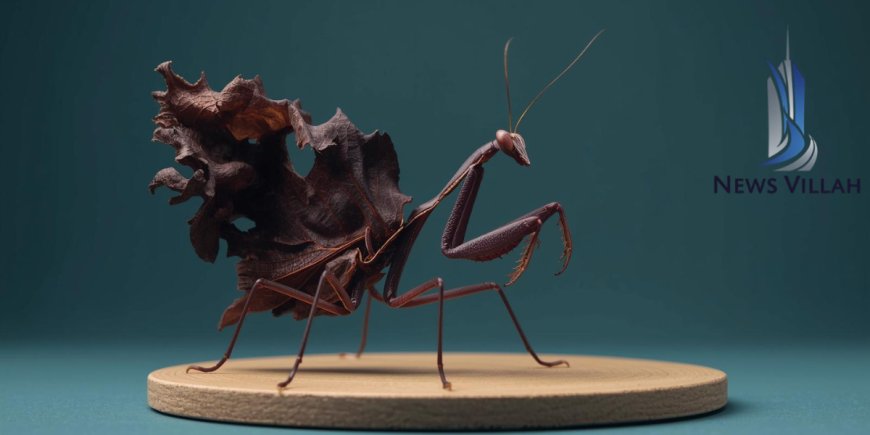
Nature has always been the ultimate illusionist. From chameleons that change color to stick insects that resemble twigs, evolution has produced some astonishing survival strategies. Among the most fascinating of these is the ghost mantis, an insect so perfectly disguised that it appears to be nothing more than a curled, dried leaf drifting in the wind.
At first glance, many people mistake this insect for plant debris. Only when it moves does its true identity become clear. But why does it look like a dead leaf? How did this camouflage evolve? And what makes it so different from other mantis species?
In this in-depth guide, we’ll explore everything you need to know about the mantis — its appearance, habitat, behavior, diet, and the science behind its extraordinary camouflage.
What Is a Ghost Mantis?
The Ghost Mantis (scientific name Phyllocrania paradoxa) is a species of praying mantis native to parts of Africa, particularly Madagascar and mainland sub-Saharan regions. It is widely admired by entomologists, insect enthusiasts, and even beginner exotic pet keepers due to its unique appearance and relatively calm temperament.
Unlike larger mantis species known for their aggressive behavior, the mantis is smaller, more delicate, and primarily relies on camouflage rather than intimidation for survival.
The name itself comes from its eerie resemblance to a withered leaf — almost as if a “ghost” of a plant came to life.
Why Does It Look Like a Dead Leaf?
The most striking feature of the mantis is its body shape. Its head has an elongated, leaf-like crest. Its thorax is flattened and decorated with irregular edges. Even its legs have small lobes that mimic torn leaf fragments.
This extraordinary resemblance to dried foliage serves one primary purpose: survival.
1. Camouflage Against Predators
In the wild, mantises face numerous predators including birds, reptiles, and small mammals. By blending in with dry leaves and forest debris, the ghost mantis dramatically reduces its chances of being spotted.
Predators rely heavily on movement and shape recognition. When an insect looks exactly like part of the background, it becomes nearly invisible.
2. Ambush Hunting Strategy
Camouflage isn’t just defensive — it’s also offensive.
The ghost-mantis is an ambush predator. Instead of actively chasing prey, it waits motionless until an unsuspecting insect comes within striking distance. Its leaf disguise allows it to remain undetected until the perfect moment.
With lightning-fast reflexes, it grabs its prey using raptorial forelegs lined with sharp spines.
Physical Characteristics of the Ghost Mantis
Understanding the physical traits of this species reveals just how specialized it is.
Size
Adult ghost-mantis individuals typically measure between 1.8 to 2 inches (4.5–5 cm) in length. Females are slightly larger and heavier than males.
Color Variations
Although most resemble dried brown leaves, they can also appear in:
-
Pale tan
-
Dark brown
-
Grayish tones
-
Occasional greenish hues (especially after molting)
Environmental humidity and surroundings can influence coloration slightly, enhancing their camouflage.
Distinctive Features
-
Leaf-shaped head crest
-
Jagged, uneven body edges
-
Lobed legs that mimic torn foliage
-
Flattened body posture
Every detail contributes to the illusion of dead plant matter.
Natural Habitat
The ghost mantis thrives in warm, tropical environments. It is most commonly found in:
-
Shrublands
-
Forest edges
-
Dry woodland areas
-
Regions with seasonal leaf litter
Because it mimics dried leaves, it often stays in areas where fallen foliage accumulates. This natural setting enhances its disguise.
Unlike rainforest species that rely on green camouflage, the mantis specializes in blending into dry, brown surroundings.
Behavior and Temperament
One reason insect enthusiasts admire the ghost mantis is its relatively calm behavior.
Defensive Behavior
Instead of immediately attacking threats, it prefers to:
-
Freeze in place
-
Sway gently like a leaf in the wind
-
Drop to the ground and remain motionless
This swaying motion is especially fascinating. The mantis mimics the natural movement of leaves rustling in a breeze, reinforcing the illusion.
Social Behavior
While mantises are generally solitary, this species is less aggressive toward others of its kind compared to larger mantis species. In controlled environments, some keepers have even housed multiple ghost individuals together under careful supervision.
Life Cycle
Like all mantises, the mantis undergoes incomplete metamorphosis.
1. Egg Stage (Ootheca)
Females lay egg cases called oothecae. Each case may contain dozens of eggs.
2. Nymph Stage
After hatching, tiny nymphs resemble miniature adults but lack wings. They molt several times as they grow.
3. Adult Stage
Upon reaching adulthood, they develop wings. Males typically have longer wings and are more capable fliers, while females are heavier and fly less frequently.
The average lifespan of a ghost-mantis is about 8 to 12 months under suitable conditions.
Diet and Hunting
The ghost mantis is a carnivorous insect.
Typical Prey Includes:
-
Fruit flies
-
House flies
-
Small crickets
-
Moths
-
Other small insects
It relies entirely on patience and precision. When prey approaches, it strikes in milliseconds.
Interestingly, it rarely wastes energy chasing food. Efficiency is key to its survival strategy.
Camouflage as an Evolutionary Masterpiece
The evolution of the ghos- mantis is a remarkable example of natural selection.
Over thousands of generations, individuals that more closely resembled dead leaves had higher survival rates. These traits were passed down, gradually refining the species’ appearance.
Camouflage in insects can take many forms:
-
Mimicking sticks
-
Mimicking bark
-
Mimicking flowers
-
Mimicking leaves
Among these, the mantis stands out as one of the most convincing leaf mimics in the insect world.
Differences Between Ghost Mantis and Other Mantises
While all mantises share certain traits, this species has several unique distinctions.
|
Feature |
Ghost-Mantis |
Typical Praying Mantis |
|
Camouflage Type |
Dead leaf mimicry |
Green foliage |
|
Size |
Small to medium |
Often larger |
|
Temperament |
Calm |
Can be aggressive |
|
Habitat Preference |
Dry leaf litter |
Green vegetation |
These differences highlight why the ghost-mantis is so captivating to researchers and hobbyists alike.
Role in the Ecosystem
Despite its small size, the mantis plays an important ecological role.
Population Control
By feeding on flies and other insects, it helps regulate insect populations naturally.
Part of the Food Chain
Although well camouflaged, it still serves as prey for birds, reptiles, and larger insects.
Healthy ecosystems rely on balanced predator-prey relationships, and the ghost mantiz contributes to that balance.
Is the Ghost Mantis Dangerous?
The short answer is no.
The ghost mantiz is harmless to humans. It does not possess venom dangerous to people, nor does it have any toxic defenses. While it may attempt to pinch if handled improperly, its forelegs are designed for insects, not large animals.
As with any wildlife, gentle handling and respect are important.
Why It Has Become Popular in Exotic Pet Communities
In recent years, the ghost mantis has gained popularity among insect enthusiasts.
Reasons include:
-
Unique appearance
-
Manageable size
-
Relatively simple care requirements
-
Fascinating behavior
Because it relies on camouflage rather than aggression, it is often considered suitable for beginners interested in mantis keeping.
However, responsible ownership is essential. Anyone considering keeping one should research ethical sourcing and proper habitat conditions.
Fascinating Facts About the Ghost Mantis
Here are some lesser-known details about this incredible insect:
-
It can remain motionless for long periods without fatigue.
-
Males are more slender and better fliers than females.
-
After molting, its color may temporarily appear lighter.
-
It sometimes raises its abdomen slightly when threatened to enhance its leaf illusion.
-
Its scientific name, Phyllocrania paradoxa, roughly translates to “paradoxical leaf creature.”
These traits further demonstrate the sophistication of its evolutionary design.
The Science Behind Its Leaf Illusion
The illusion works because predators process visual information quickly. They search for recognizable shapes and movement patterns.
The ghost-mantiz disrupts both.
-
Shape Disruption: Jagged edges prevent a clear insect outline.
-
Color Matching: Earthy tones blend with dry vegetation.
-
Behavioral Mimicry: Gentle swaying mimics wind-moved leaves.
This multi-layered camouflage makes it exceptionally difficult to detect.
Scientists studying camouflage often cite species like the ghost mantis as textbook examples of adaptive morphology.
Conservation and Environmental Awareness
While not currently considered endangered, habitat destruction can impact many insect species, including the ghost-mantis.
Deforestation and environmental changes affect biodiversity worldwide. Protecting natural habitats ensures that unique species like this continue to thrive.
Insects are often overlooked in conservation discussions, but they are vital to ecosystem stability.
Why the Ghost Mantis Continues to Fascinate Scientists
Researchers study this species to understand:
-
Evolutionary adaptation
-
Predator-prey dynamics
-
Camouflage mechanics
-
Behavioral ecology
Its near-perfect imitation of dead foliage makes it a living case study in evolutionary biology.
From classrooms to research labs, the ghost mantis remains an extraordinary example of nature’s creativity.
Final Thoughts
The ghost mantis is far more than just a strange-looking insect. It is a masterpiece of evolution, a silent predator wrapped in the illusion of a lifeless leaf. Its appearance is not random or decorative — it is the result of countless generations shaped by survival pressures.
By mimicking a dead leaf, the ghost mantis achieves both protection and hunting success. Its stillness, subtle swaying, jagged body shape, and earthy tones combine to create one of the most convincing disguises in the insect kingdom.
In a world filled with vibrant colors and dramatic displays, this remarkable insect proves that sometimes the most powerful survival strategy is invisibility.
Whether you are an insect enthusiast, a biology student, or simply someone fascinated by the wonders of nature, the mantis offers a compelling reminder of how extraordinary evolution can be.
Nature does not create illusions without purpose — and in the case of the ghost mantiz, that purpose is survival perfected.
What's Your Reaction?
 Like
0
Like
0
 Dislike
0
Dislike
0
 Love
0
Love
0
 Funny
0
Funny
0
 Angry
0
Angry
0
 Sad
0
Sad
0
 Wow
0
Wow
0