

























Best Plum Wine Japanese: Top Umeshu Brands, Taste Guide & Buying Tips
Discover the best plum wine japanese lovers recommend. Explore premium umeshu, top rated plum wine japan brands, tasting notes, and how to drink authentic japanese umeshu the right way.


-
Introduction
There’s something quietly charming about japanese plum wine. It doesn’t shout for attention like bold red wines or trendy cocktails. Instead, it invites people in with sweetness, balance, and a touch of nostalgia. That’s part of the reason why so many people search for the best plum wine japanese — they’re not just looking for a drink, they’re looking for the right one.
The phrase best japanese plum wine has grown popular because interest in japanese beverages has expanded far beyond sake. Travelers discover it abroad, restaurants add it to menus, and suddenly curiosity turns into a hunt for the perfect bottle.
At the heart of this growing appeal is umeshu. Often described as a sweet japanese wine, umeshu blends fruitiness with gentle acidity, creating something that feels both refreshing and comforting. Its global presence keeps rising, and many now consider premium umeshu a staple in home bars rather than a specialty item.
-
What is Japanese Plum Wine (umeshu)?
Japanese plum wine, known traditionally as umeshu, is technically a liqueur rather than a standard wine. Still, many people refer to it as ume fruit wine because of its production style and flavor profile.
It’s made using Prunus mume, often called the japanese plum or ume. Interestingly, the fruit isn’t a true plum in the western sense. It carries a tartness that transforms beautifully when steeped in alcohol and sugar.
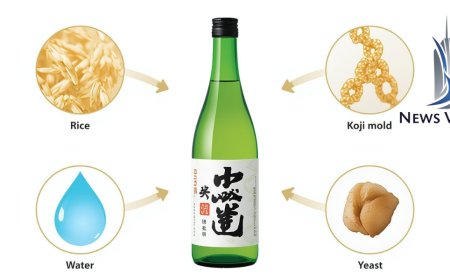
Most authentic japanese umeshu begins with whole ume fruit, rock sugar, and a neutral spirit. The alcohol base varies. Some producers craft shochu based plum wine, while others prefer sake based plum wine. The base changes the texture slightly — shochu tends to produce a richer body, while sake can lend a softer, lighter finish.
The result is typically sweet and tangy, with a smooth mouthfeel that makes it easy to sip. A well-made chilled japanese plum wine feels refreshing, especially in warmer weather. At the same time, aged versions can carry deeper caramel and honeyed notes.
-
What Makes the Best Plum Wine Japanese?

Best Plum Wine Japanese Finding the best plum wine japanese isn’t about chasing the highest price tag. It’s about understanding what goes into the bottle.
Quality of Ume Fruit
Everything starts with the fruit. High-quality prunus mume harvested at the right stage offers the ideal balance between tartness and aroma. Producers who prioritize carefully selected fruit usually create more expressive ume fruit wine.
Aging Process
Time plays a quiet but powerful role. Some bottles are released relatively young, offering bright and fresh flavors. Others are crafted as aged umeshu, resting for years to deepen complexity. Aging softens sharp edges and develops warm, rounded sweetness.
Sugar Balance
Too much sugar overwhelms. Too little leaves harsh acidity. The best japanese plum wine achieves balance — sweet, yes, but layered. Honey plum wine styles often lean slightly richer, adding depth without becoming syrupy.
Alcohol Percentage
Alcohol content typically sits between 10% and 15%. A well-balanced premium umeshu doesn’t taste boozy. Instead, alcohol acts as a carrier for aroma and texture.
Traditional vs. Modern Production
Traditional umeshu often follows time-tested steeping methods passed through generations. Modern producers experiment with sparkling plum wine variations or barrel aging. Both approaches can produce top rated plum wine japan offerings; it simply depends on personal taste.
-
Best Japanese Plum Wine Brands to try
When exploring japanese plum wine brands, a few names consistently appear in conversations. Each brings something slightly different to the table.
Choya – Popular Global Brand
Choya has become one of the most recognized producers worldwide. Their bottles are widely available, making them a starting point for many first-time drinkers. Choya offers both classic and aged umeshu options.
Tasting notes often highlight bright fruit, balanced sweetness, and a clean finish. It suits those new to authentic japanese umeshu as well as casual drinkers who want reliability.
Takara Shuzo – Smooth and Balanced
Takara shuzo leans toward elegance. Their shochu based plum wine expressions often feel smooth and refined without being overly sweet.
This brand appeals to drinkers who prefer subtlety over bold sugar notes. It’s a comfortable choice for pairing with meals rather than sipping alone.
Gekkeikan – Premium Heritage Option
Gekkeikan is better known for sake, but their sake based plum wine offerings reflect that heritage. There’s a certain softness in the texture — almost silky.
Their bottles often attract those searching for premium umeshu with depth. A slightly aged version can showcase gentle caramel tones alongside fruit brightness.
Hakutsuru – Elegant and Refined
Hakutsuru brings a polished style to the category. Their approach feels balanced and thoughtfully crafted.
Ideal for those who appreciate clean finishes and moderate sweetness, Hakutsuru’s expressions are often recommended for serving chilled japanese plum wine at dinner gatherings.
-
How to Enjoy Japanese Plum Wine
Part of what makes this drink so appealing is versatility. People curious about how to drink umeshu quickly realize there isn’t just one correct way.
Many prefer umeshu on the rocks. Ice slightly dilutes the sweetness and opens aroma. Others serve it as chilled japanese plum wine straight from the refrigerator.
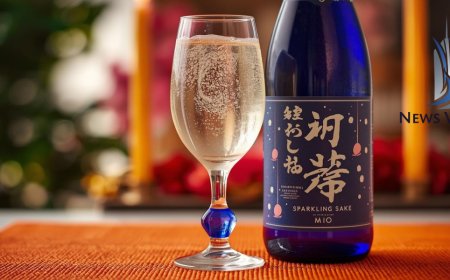
Cocktail enthusiasts experiment with plum wine cocktail recipes, mixing it with soda water or sparkling wine for lighter variations. Sparkling plum wine styles are especially refreshing at celebrations.
And yes, it can pair beautifully with food — from sushi to mildly spicy dishes. The sweetness balances heat while the acidity cuts through richness.
-
Why the Search Keeps Growing
Interest in top rated plum wine japan selections keeps expanding because the drink sits comfortably between categories. It isn’t as dry as most wines. It’s not as strong as whiskey. It feels approachable.
For many, discovering the best plum wine japanese becomes a small journey. They sample one bottle, then another. Some prefer honey plum wine styles. Others lean toward aged umeshu for depth. Preferences evolve naturally.
What remains constant is the appeal of something authentic yet easygoing. Sweet japanese wine may not dominate headlines, but it quietly wins over people who value flavor without intensity.
What's Your Reaction?
 Like
0
Like
0
 Dislike
0
Dislike
0
 Love
0
Love
0
 Funny
0
Funny
0
 Angry
0
Angry
0
 Sad
0
Sad
0
 Wow
0
Wow
0