



















Best Homemade Upholstery Cleaner for Machine Use (Works Like a Pro)
Discover the best homemade upholstery cleaner for machine use with easy DIY recipes, safe ingredients, and expert tips to clean sofas and chairs like a pro.

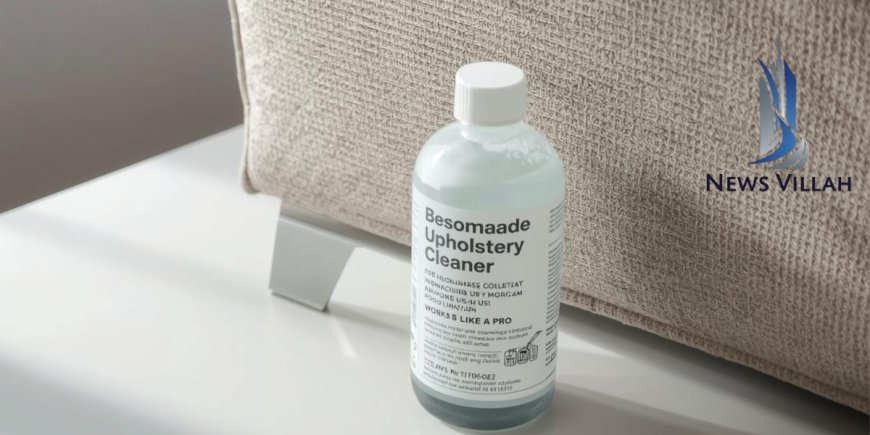
Table of Contents
- Preface
- Why Upholstery Needs Specialized Cleaning
- How Upholstery Cleaning Machines Work
- Benefits of Making Your Own Upholstery Cleaner
- The Best Ingredients for Upholstery Cleaning
- Pro-Level DIY Upholstery Cleaner Recipe
- Fabric Types This Cleaner Works On
- Step-by-Step: How to Clean Upholstery Like a Pro
- Safety Tips You Shouldn’t Ignore
- Common Mistakes to Avoid
- Homemade vs. Commercial Upholstery Cleaners
- How Often Should You Clean Upholstery?
- Odor Removal Tips That Actually Work
- Machine Maintenance After DIY Cleaning
- Is Homemade Upholstery Cleaning Safe for Pets?
- Professional Results Without Professional Prices
- Final Thoughts
-
Preface
Keeping sofas, chairs, and car seats clean can feel like an endless task—especially when store-bought cleaners are expensive, harsh, or leave behind residue. That’s why more homeowners are turning to a homemade upholstery cleaner for machine use as a safer, budget-friendly, and surprisingly powerful alternative. With the right ingredients and techniques, you can achieve professional-level results without risking damage to your furniture or your cleaning equipment.
This in-depth guide explains everything you need to know, from how upholstery machines work to proven DIY recipes, safety tips, and best practices for long-lasting freshness.
-
Why Upholstery Needs Specialized Cleaning
Upholstery fabrics are different from carpets and hard surfaces. They’re designed to be comfortable, not soaked, which means excess moisture or harsh chemicals can cause:
-
Water stains
-
Fabric shrinkage
-
Fading or discoloration
-
Mold and odor buildup
Using a homemade upholstery cleaner for machine allows you to control ingredients, concentration, and moisture levels, making it ideal for regular maintenance and deep cleaning alike.
-
-
How Upholstery Cleaning Machines Work
Before mixing any solution, it helps to understand your machine. Upholstery cleaners—whether handheld or full-size—typically work by:
-
Spraying a fine mist of cleaning solution
-
Gently agitating the fabric with brushes
-
Extracting dirt and moisture through suction
Because machines rely on pumps, hoses, and nozzles, using overly thick or sudsy liquids can clog internal parts. That’s why a properly balanced homemade upholstery cleaner for machine use must be low-foam, well-dissolved, and fabric-safe.
-
-
Benefits of Making Your Own Upholstery Cleaner
Choosing a DIY solution isn’t just about saving money. A well-formulated homemade upholstery cleaner for machine offers several advantages:
-
Fewer harsh chemicals
-
Better control over fragrance
-
Reduced risk of residue buildup
-
Lower long-term cost
-
Environmentally friendly ingredients
For households with kids, pets, or allergies, homemade solutions are often the safest choice.
-
-
The Best Ingredients for Upholstery Cleaning
Effective upholstery cleaners rely on gentle but powerful components. Here are the most commonly used and why they work:
-
White vinegar: Breaks down odors and residue
-
Dish soap (clear, mild): Lifts grease and dirt
-
Rubbing alcohol: Speeds drying and disinfects
-
Baking soda: Neutralizes odors (used separately, not in machine tanks)
-
Warm distilled water: Prevents mineral buildup
When combined correctly, these create a reliable homemade upholstery cleaner for machine cleaning that rivals commercial formulas.
-
-
Pro-Level DIY Upholstery Cleaner Recipe
This recipe is designed specifically for machine use and has been tested for low suds and high effectiveness.
Ingredients:
-
1 cup warm distilled water
-
½ cup white vinegar
-
1 teaspoon clear liquid dish soap
-
1 tablespoon rubbing alcohol
Instructions:
-
Mix ingredients gently in a container (do not shake).
-
Pour into your machine’s solution tank.
-
Test on a hidden fabric area first.
This balanced formula is a trusted homemade upholstery cleaner for machine cleaning because it cleans deeply without overwhelming your equipment or fabric.
-
-
Fabric Types This Cleaner Works On
One reason people prefer a homemade upholstery cleaner for machine use is its versatility. This recipe is generally safe for:
-
Polyester and microfiber
-
Cotton blends
-
Synthetic upholstery
-
Automotive fabrics
Always avoid soaking delicate fabrics like silk, velvet, or antique upholstery unless manufacturer guidelines confirm machine compatibility.
-
-
Step-by-Step: How to Clean Upholstery Like a Pro
Using the right technique is just as important as the solution.
-
Vacuum upholstery thoroughly
-
Spot-test the cleaner
-
Apply light, even passes with the machine
-
Avoid oversaturating
-
Allow proper drying with airflow
When paired with a homemade upholstery cleaner for machine, these steps ensure a fresh, even finish without water rings.
-
-
Safety Tips You Shouldn’t Ignore
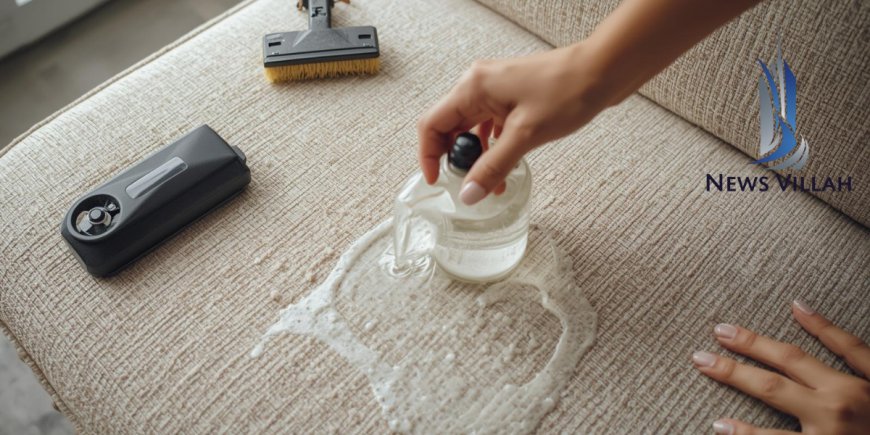
Homemade Upholstery Cleaner for Machine While DIY cleaners are gentler, safety still matters. Keep these guidelines in mind:
-
Never mix vinegar with bleach
-
Use only clear dish soap to prevent dye transfer
-
Don’t overfill machine tanks
-
Rinse machines after use
Following these rules ensures your homemade upholstery cleaner for machine remains safe for both furniture and equipment.
-
-
Common Mistakes to Avoid
Many upholstery issues come from technique errors, not the cleaner itself.
Avoid:
-
Using too much soap
-
Scrubbing aggressively
-
Re-cleaning damp fabric
-
Skipping vacuuming beforehand
A properly used homemade upholstery cleaner for machine should clean effectively in one or two passes.
-
-
Homemade vs. Commercial Upholstery Cleaners
Let’s compare them realistically:
Homemade option
-
Lower cost
-
Customizable
-
Minimal residue
-
Eco-friendly
Commercial option
-
Convenient
-
Strong fragrances
-
May contain harsh chemicals
For routine cleaning and maintenance, a homemade upholstery cleaner for machine often provides equal or better results with fewer downsides.
-
-
How Often Should You Clean Upholstery?
Cleaning frequency depends on lifestyle:
-
Homes with pets: every 1–2 months
-
High-traffic furniture: every 2–3 months
-
Light use: every 4–6 months
Using a gentle homemade upholstery cleaner for machine regularly prevents deep-set stains and prolongs fabric life.
-
-
Odor Removal Tips That Actually Work
For persistent odors:
-
Sprinkle baking soda on dry upholstery
-
Let sit 30–60 minutes
-
Vacuum thoroughly
-
Follow with light machine cleaning
This method works perfectly alongside a homemade upholstery cleaner for machine without introducing excess moisture.
-
-
Machine Maintenance After DIY Cleaning
To keep your machine running smoothly:
-
Empty leftover solution
-
Rinse tank with warm water
-
Run a short rinse cycle
-
Allow hoses to dry
Good maintenance ensures your homemade upholstery cleaner for machine continues to work efficiently over time.
-
-
Is Homemade Upholstery Cleaning Safe for Pets?
Yes—when done correctly. Vinegar and mild soap are generally pet-safe once dry. Always allow furniture to fully dry before letting pets back on it.
This is another reason many households prefer a homemade upholstery cleaner for machine over heavily scented commercial products.
-
Professional Results Without Professional Prices
You don’t need expensive services to maintain clean upholstery. With the right recipe, proper technique, and a reliable machine, DIY cleaning can look and feel professional.
A well-made homemade upholstery cleaner for machine proves that effective cleaning doesn’t require harsh chemicals or high costs.
-
Final Thoughts
Creating your own upholstery cleaning solution is simple, affordable, and surprisingly effective. When properly formulated and used with care, a homemade upholstery cleaner for machine can remove stains, neutralize odors, and refresh furniture while protecting both fabric and equipment.
By understanding your machine, choosing safe ingredients, and following best practices, you can confidently maintain clean upholstery that looks great and lasts longer—no professional service required.
What's Your Reaction?
 Like
0
Like
0
 Dislike
0
Dislike
0
 Love
0
Love
0
 Funny
0
Funny
0
 Angry
0
Angry
0
 Sad
0
Sad
0
 Wow
0
Wow
0