


























Why Use Vinegar in Laundry? Benefits, Myths, and Best Practices
Why use vinegar in laundry? Learn the real benefits, common myths, and best practices for using vinegar in laundry to keep clothes fresh, soft, and odor-free.

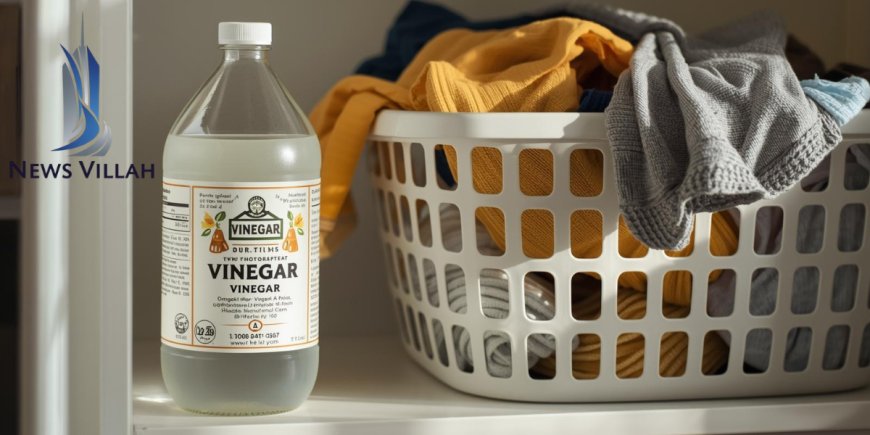
Table of Contents
- Preface
- What Is Vinegar and Why Is It Used in Laundry?
- The Main Benefits of Vinegar in Laundry
- Common Myths About Vinegar in Laundry
- Best Practices for Using Vinegar in Laundry
- How Much Vinegar to Use
- When to Add Vinegar
- Fabrics That Benefit Most
- Vinegar vs. Fabric Softener
- Environmental Benefits of Vinegar-in-Laundry
- When You Should Avoid Vinegar in Laundry
- Why Vinegar-in-Laundry Remains Popular
- Frequently Asked Questions
- Final Thoughts
-
Preface
In recent years, more and more households have turned to simple, natural solutions for everyday chores. One topic that consistently sparks curiosity is vinegar in laundry. Many people swear by it as a secret weapon for cleaner clothes, while others worry it might damage fabrics or washing machines. So what’s the truth?
This in-depth guide explains why use vinegar-in-laundry, breaking down the real benefits, common myths, and best practices. The goal is to give you clear, practical information—without exaggeration—so you can decide whether vinegar deserves a place in your laundry routine.
-
What Is Vinegar and Why Is It Used in Laundry?
Vinegar, especially white distilled vinegar, is a mild acid made from fermented alcohol. It has long been used in cleaning because of its ability to:
-
Break down mineral buildup
-
Neutralize odors
-
Remove residue
When people talk about vinegar in laundry, they usually mean adding white distilled vinegar to the wash or rinse cycle. This practice is not new—it has been around for generations, long before modern detergents became widely available.
-
-
The Main Benefits of Vinegar in Laundry
1. Removes Detergent Residue
One of the biggest advantages of vinegar in laundry is its ability to dissolve leftover detergent and fabric softener residue. Over time, these residues can build up on clothes, making them feel stiff or dull.
Vinegar helps rinse fabrics more thoroughly, leaving clothes softer without added chemicals.
2. Softens Clothes Naturally
Many people use fabric softeners, but these products often coat fibers with synthetic chemicals. Using vinegar in laundry offers a natural alternative.
Vinegar softens fabrics by:
-
Breaking down mineral deposits
-
Preventing soap buildup
-
Allowing fibers to relax naturally
Importantly, clothes do not smell like vinegar after drying.
3. Neutralizes Odors
Persistent odors—such as sweat, mildew, or smoke—can be difficult to remove. Vinegar in laundry works as a deodorizer by neutralizing odor-causing bacteria instead of masking smells with fragrance.
This makes it especially useful for:
-
Gym clothes
-
Towels
-
Work uniforms
4. Brightens Colors and Whites
Another benefit of vinegar in laundry is its ability to keep colors vibrant and whites bright. It helps remove dulling residues that can make fabrics look faded over time.
When used correctly, vinegar does not bleach clothes. Instead, it enhances their natural appearance.
5. Reduces Static Cling
Static cling is a common annoyance, especially in synthetic fabrics. Adding vinegar in laundry during the rinse cycle can reduce static by balancing fabric fibers and reducing friction.
This is particularly helpful when air-drying clothes or using low-heat dryer settings.
6. Helps Maintain Washing Machines
Beyond clothes, vinegar in laundry can benefit your washing machine itself. It helps dissolve:
-
Hard water mineral buildup
-
Soap scum
-
Odor-causing residue
Occasional use can contribute to a fresher, more efficient machine.
-
-
Common Myths About Vinegar in Laundry
Despite its popularity, several myths surround vinegar in laundry. Let’s clear them up.
Myth 1: Vinegar Damages Clothes
When used in moderation, white distilled vinegar is safe for most fabrics. Problems usually arise only when:
-
Vinegar is used undiluted directly on delicate fabrics
-
It’s used excessively in every wash
Normal use does not weaken cotton, polyester, or blends.
Myth 2: Vinegar Ruins Washing Machines
A common concern is that vinegar in laundry might damage rubber seals or hoses. In reality:
-
Occasional use is generally safe
-
Modern machines are designed to handle mild acids
Issues typically occur only with extreme overuse, not standard household practices.
Myth 3: Clothes Will Smell Like Vinegar
This is one of the most persistent myths about vinegar in laundry. The vinegar smell disappears as clothes dry, leaving fabrics odor-neutral rather than acidic.
Myth 4: Vinegar Replaces Detergent Completely
While vinegar in laundry has many benefits, it does not replace detergent. Vinegar does not remove heavy dirt or grease on its own. It works best as a supplement, not a substitute.
-
-
Best Practices for Using Vinegar in Laundry
Use the Right Type of Vinegar
Always use white distilled vinegar for laundry. Avoid:
-
Apple cider vinegar (can stain)
-
Cleaning vinegar with high acidity
-
Flavored or colored vinegars
White vinegar is clear, effective, and fabric-safe.
-
-
How Much Vinegar to Use
Moderation is key when using vinegar in laundry:
-
For softening and odor control: ½ cup in the rinse cycle
-
For residue removal: ¼–½ cup
-
For machine cleaning: 1–2 cups in an empty hot cycle
Using more does not mean better results.
-
-
When to Add Vinegar
Vinegar in Laundry The best time to add vinegar-in-laundry is during the rinse cycle. This ensures:
-
It doesn’t interfere with detergent cleaning power
-
Residue is effectively removed
Never mix vinegar directly with bleach, as this creates harmful fumes.
-
-
Fabrics That Benefit Most
Vinegar in laundry works particularly well for:
-
Towels
-
Activewear
-
Cotton clothing
-
Bedding
For delicate fabrics like silk or wool, spot testing is recommended.
-
-
Vinegar vs. Fabric Softener
Many people compare vinegar-in-laundry to commercial fabric softeners. Here’s how they differ:
-
Vinegar softens by removing residue
-
Fabric softeners coat fibers with chemicals
-
Vinegar leaves no buildup
-
Fabric softeners can reduce towel absorbency
For those seeking a low-residue, fragrance-free option, vinegar is often preferred.
-
-
Environmental Benefits of Vinegar-in-Laundry
Using vinegar in laundry can also be an eco-friendly choice. Vinegar is:
-
Biodegradable
-
Free of synthetic fragrances
-
Less polluting than many commercial additives
This makes it appealing for households aiming to reduce chemical use.
-
-
When You Should Avoid Vinegar in Laundry
Although generally safe, there are times when vinegar-in-laundry is not recommended:
-
Washing stone, marble, or rubber-backed items
-
Mixing with bleach-based products
-
Using excessively on delicate materials
Following best practices minimizes any risks.
-
-
Why Vinegar-in-Laundry Remains Popular
The growing interest in vinegar in laundry reflects broader trends:
-
Desire for natural cleaning solutions
-
Cost-conscious household habits
-
Awareness of chemical exposure
Vinegar is inexpensive, widely available, and versatile, making it appealing across generations.
-
-
Frequently Asked Questions
Is vinegar safe for colored clothes?
Yes, when diluted and used correctly, vinegar in-laundry is safe for colors.Can vinegar replace fabric softener permanently?
Many households successfully use vinegar instead of softener long term.How often should vinegar be used?
Occasional use—every few washes—is usually sufficient.
-
Final Thoughts
Using vinegar in laundry is not a miracle cure, but it is a practical, time-tested method for improving laundry results. When used correctly, it can soften clothes, neutralize odors, reduce residue, and support a cleaner washing machine.
The key is balance. Avoid overuse, follow best practices, and understand what vinegar can—and cannot—do. For many households, vinegar-in-laundry remains a simple, effective addition to a smarter, more natural cleaning routine.
What's Your Reaction?
 Like
0
Like
0
 Dislike
0
Dislike
0
 Love
0
Love
0
 Funny
0
Funny
0
 Angry
0
Angry
0
 Sad
0
Sad
0
 Wow
0
Wow
0