

























Urgent: 25,000 Dressers Recalled on Amazon, Wayfair – A Fatal Flaw You Need to Know

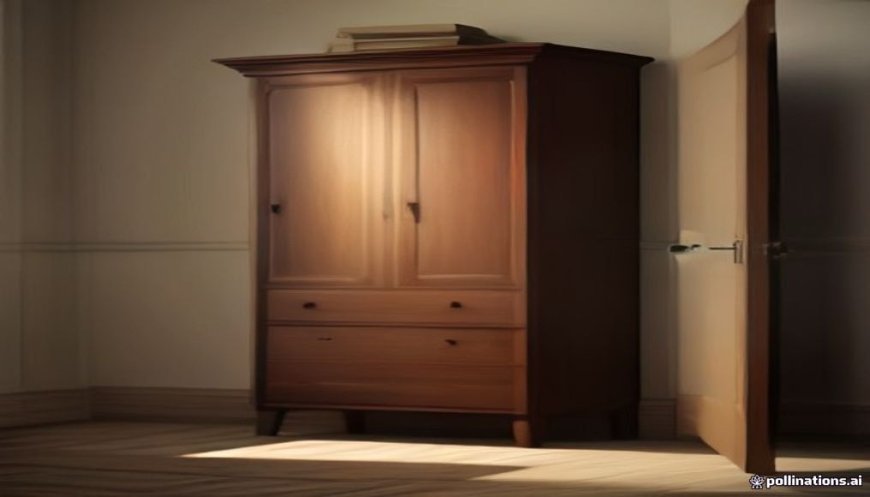
Imagine bringing home a beautiful new dresser, excited to organize your space, only for it to become a silent, lurking danger. It’s a chilling thought, but unfortunately, it’s a reality for thousands of consumers right now. Yuyitop has issued a significant dresser recall affecting approximately 25,073 of its Aitjunz 8-drawer dressers. These aren’t obscure products; they were widely available through some of the biggest online retailers in the game: Amazon, Wayfair, TEMU, and Walmart. If you’ve purchased a dresser from any of these platforms between May 2025 and July 2026, you absolutely need to pay close attention.
The core issue is a serious tip-over hazard, a risk that the Consumer Product Safety Commission (CPSC) takes incredibly seriously. And for good reason: tip-over incidents, particularly involving furniture like dressers, can lead to devastating consequences, including severe injuries and even fatalities, especially among young children. It’s a preventable tragedy, and this particular dresser recall highlights a persistent problem in the furniture industry.
The Disturbing Details of the Aitjunz Dresser Recall
Let’s get straight to the facts of this particular dresser recall. The products in question are the Aitjunz 8-drawer dressers, manufactured by Yuyitop. These units are not small or lightweight; they tip the scales at around 129 pounds. That’s a substantial piece of furniture, and its weight is a critical factor in the danger it poses if it becomes unstable. Imagine 129 pounds of wood and drawers collapsing onto a small child – the force is immense and the potential for injury catastrophic.
The dressers were sold in various colors, giving consumers options to match their decor, but the aesthetic appeal doesn’t negate the underlying safety flaw. They were priced competitively, ranging from $230 to $270, making them an accessible option for many households. This wide availability and relatively affordable price point meant they found their way into tens of thousands of homes, unknowingly introducing a hazard. The recall specifically targets units sold between May 2025 and July 2026. If you bought an 8-drawer dresser from Yuyitop through one of the mentioned retailers during this timeframe, it’s highly likely your unit is part of this recall.
Why a Dresser’s Stability is Non-Negotiable
The CPSC has established mandatory safety standards for dressers precisely to prevent these kinds of tragedies. These standards are not suggestions; they are legal requirements designed to ensure that furniture, especially pieces that are tall and heavy, can withstand typical household use without tipping over. The Yuyitop Aitjunz 8-drawer dressers, according to the recall notice, simply fail to meet these crucial standards if they aren’t properly anchored to a wall. This isn’t just about a slight wobble; it’s about fundamental structural instability under certain conditions.
When we talk about a dresser’s stability, we’re considering several factors: its height-to-width ratio, the weight distribution, the depth of its base, and critically, how drawers open. A common scenario for tip-overs involves multiple drawers being opened simultaneously, particularly the upper ones. This shifts the center of gravity forward, creating leverage that can easily cause a dresser to topple. For a dresser weighing 129 pounds, this leverage becomes incredibly dangerous. The CPSC’s standards are designed to test these very scenarios, ensuring that a dresser remains stable even when drawers are opened, or when a child might try to climb it – a common and terrifying behavior that parents often discover too late.
The Silent Threat: Tip-Over Incidents and Their Impact
The statistics surrounding furniture tip-overs are frankly heartbreaking. The CPSC consistently reports on the severe injuries and fatalities linked to these incidents, with children being disproportionately affected. In many cases, a child might be playing nearby, attempting to climb the dresser to reach a toy, or simply opening drawers to explore, when the furniture unexpectedly collapses. The weight of a dresser like the Aitjunz, at 129 pounds, is more than enough to crush a small child, leading to head trauma, internal injuries, or asphyxiation. These aren’t minor bumps and bruises; they are life-altering or life-ending events.
Beyond the immediate physical danger, there’s the profound emotional toll on families. Imagine the guilt, the horror, the grief that comes from such a preventable accident in your own home. It’s a nightmare that no parent should ever have to experience. This is why the CPSC is so vigilant, and why a dresser recall, even for a single model, is so vital. It’s about protecting the most vulnerable among us and ensuring that the places we call safe truly are. It’s not just about the product itself, but about the profound human cost of neglecting safety standards.
Navigating the Recall: What Consumers Need to Do
If you’re a consumer who purchased an Aitjunz 8-drawer dresser from Yuyitop via Amazon, Wayfair, TEMU, or Walmart between May 2025 and July 2026, your immediate action is crucial. The CPSC’s advice is unequivocal: immediately stop using any unanchored dressers. Don’t wait, don’t procrastinate. If it’s not anchored to a wall, it’s a potential hazard. Move it to a place where children cannot access it, or lay it down flat until you can address the issue.
The next step is to contact Yuyitop directly. They are offering a complimentary retrofit kit. This kit typically includes wall anchoring hardware and clear instructions on how to properly secure the dresser to a wall. This isn’t a minor DIY project; it’s a critical safety measure. Ensure you follow the instructions meticulously. If you’re uncomfortable doing it yourself, consider asking for assistance from someone experienced with home repairs. The goal here is to transform a potentially unstable piece of furniture into a secure one, mitigating the tip-over risk significantly. (See: Consumer Product Safety Commission.)
The Role of Online Retailers in Product Safety
This dresser recall also shines a spotlight on the increasingly complex landscape of online retail and product safety. Amazon, Wayfair, TEMU, and Walmart are giants in the e-commerce world, connecting millions of consumers with countless products. While they provide platforms for sellers like Yuyitop, their responsibility in ensuring product safety is a continually debated and evolving area. Consumers often trust that products sold on these reputable sites meet basic safety standards, but as this recall demonstrates, that’s not always the case.
The sheer volume of products and third-party sellers on these platforms makes comprehensive oversight a monumental challenge. However, as major retailers, they also have significant influence and resources to implement stricter vetting processes, require robust safety certifications, and respond swiftly to recall notices. Their role is not just as a marketplace, but as a gateway through which products enter our homes. This particular dresser recall serves as a stark reminder that even when shopping on trusted platforms, vigilance remains paramount for consumers.
Beyond the Recall: Proactive Steps for Furniture Safety
This Yuyitop dresser recall should serve as a wake-up call for all households, regardless of whether you own an Aitjunz dresser or not. Furniture tip-overs are a widespread issue, and proactive measures can prevent countless accidents. Here are some essential steps every household should take:
- Anchor All Tall or Heavy Furniture: This isn’t just for dressers. Think about bookcases, shelving units, entertainment centers, and even large flat-screen TVs. If it’s over 27 inches tall, it needs to be anchored. Most furniture comes with anchoring hardware, but if not, kits are readily available at hardware stores.
- Place TVs on Sturdy, Low Bases: Avoid placing heavy TVs on dressers or unstable carts. If using a stand, ensure it’s specifically designed to support the TV’s weight and size. Wall-mounting is often the safest option.
- Avoid Placing Tempting Items on Top: Don’t put toys, remote controls, or snacks on top of furniture where children might be tempted to climb to reach them.
- Educate Children: Teach children not to climb on furniture, open multiple drawers, or play near heavy items. While you can’t rely solely on this, it’s an important part of a multi-layered safety strategy.
- Check for Recalls Regularly: Make it a habit to check the CPSC website for recent product recalls, especially for items you own or plan to purchase.
- Understand Weight Limits: Be aware of the weight limits for shelves and drawers, and avoid overloading them.
These aren’t just recommendations; they’re essential practices for creating a truly safe home environment, particularly when young children are present.
The Broader Implications for Product Manufacturing and Regulation
The Yuyitop dresser recall isn’t an isolated incident; it’s part of a larger, ongoing struggle to ensure product safety in a globalized manufacturing landscape. The journey of a product from design to your living room is complex, often involving manufacturers in one country, component suppliers in another, and sales channels spanning the globe. Each step introduces potential vulnerabilities if safety isn’t prioritized.
For manufacturers like Yuyitop, adhering to mandatory safety standards isn’t just about avoiding recalls; it’s about ethical responsibility and brand reputation. When a company fails to meet these standards, it erodes consumer trust and can have significant financial and legal repercussions. Regulators like the CPSC play a crucial role as watchdogs, setting standards, investigating incidents, and enforcing compliance. However, their resources are finite, and they often rely on consumer reports and industry self-policing to identify problems. This dynamic underscores the importance of robust product testing and quality control at every stage of the manufacturing process, not just as a final check.
Understanding the ANCHOR Act: A Game Changer for Dresser Safety
It’s worth noting that the landscape for furniture stability, especially for dressers, has undergone a significant shift with the enactment of the STURDY Act (Stop Tip-overs of Unstable, Risky Dressers on Youth) in 2022. This federal law, sometimes referred to as the ANCHOR Act by advocates, mandates a tougher, more comprehensive safety standard for clothing storage units. This isn’t just a voluntary industry guideline; it’s now the law of the land, requiring manufacturers to design and test their products to withstand real-world tip-over scenarios.
Before the STURDY Act, the industry largely relied on voluntary standards, which, while helpful, didn’t always ensure universal compliance or adequately address the ways children interact with furniture. The new standard incorporates tests that simulate children climbing, opening multiple loaded drawers, and even account for uneven flooring. This means that a dresser manufactured and sold today should inherently be more stable than older models, even before anchoring. The Yuyitop dresser recall, affecting units sold between May 2025 and July 2026, falls squarely under the purview of this new, stricter standard. This makes the recall even more significant, as it indicates a failure to meet mandatory federal safety requirements that are specifically designed to protect children from these devastating accidents.
The Economic and Reputational Fallout of a Dresser Recall
Beyond the immediate safety concerns, a dresser recall carries substantial implications for the involved companies. For Yuyitop, the manufacturer, this recall represents a significant financial hit. There are costs associated with manufacturing and distributing the retrofit kits, handling customer inquiries, and potentially processing returns or refunds. But the financial impact extends far beyond these direct expenses.
The damage to brand reputation can be immense and long-lasting. Consumers become wary of purchasing products from a brand that has been associated with safety failures, especially when children’s safety is involved. This can lead to decreased sales, loss of market share, and a struggle to regain consumer trust. Retailers like Amazon, Wayfair, TEMU, and Walmart also face reputational risks, as their platforms were used to distribute the unsafe products. While they might not be directly responsible for the manufacturing defect, their association with the recall can lead to questions about their vetting processes and commitment to product safety. In today’s interconnected world, news of a recall spreads quickly, making it imperative for companies to act swiftly and transparently to mitigate the damage. (See: New York Times on furniture safety.)
The Psychological Impact on Families Who Experience Tip-Overs
While statistics can tell us about the frequency and severity of tip-over incidents, they can’t fully capture the profound psychological impact on families who experience them. For parents whose child is injured or, tragically, killed by a falling dresser, the trauma is unimaginable. There’s the immediate shock and horror, followed by a long and arduous journey of grief, guilt, and potentially, medical rehabilitation if the child survives with injuries.
Even in incidents where a child is narrowly missed or sustains only minor injuries, the fear and anxiety can linger for years. Homes, which are supposed to be safe havens, suddenly feel like dangerous places. Parents might become hyper-vigilant, constantly worrying about hidden dangers. This psychological toll underscores why preventative measures, like the Yuyitop dresser recall and general furniture anchoring, are so vital. Preventing these incidents isn’t just about avoiding physical injury; it’s about safeguarding the emotional well-being and peace of mind of families.
How to Report an Unsafe Product to the CPSC
What if you encounter a product that seems unsafe, but it hasn’t been recalled yet? Your vigilance as a consumer is crucial in helping the CPSC identify potential hazards. If you believe you have an unsafe product, whether it’s a piece of furniture, a toy, or an appliance, you can and should report it to the CPSC. Here’s how:
- Visit SaferProducts.gov: This is the CPSC’s public database where consumers can submit reports of unsafe products and search for existing reports.
- Provide Detailed Information: When submitting a report, be as specific as possible. Include the product name, model number, manufacturer, where and when you purchased it, and a clear description of the hazard or incident. Photos or videos can be incredibly helpful.
- Your Report Matters: Each report helps the CPSC identify patterns, investigate potential hazards, and ultimately initiate recalls like the Yuyitop dresser recall if necessary. Your input directly contributes to public safety.
Don’t assume someone else will report it. Your individual report could be the critical piece of information that prompts an investigation and prevents future injuries or fatalities.
Looking Ahead: A Call for Greater Transparency and Accountability
This dresser recall, while specific to Yuyitop and its Aitjunz dressers, serves as a powerful reminder of the continuous need for vigilance, transparency, and accountability across the entire product supply chain. Consumers deserve to purchase products that are inherently safe, without having to worry about hidden hazards in their homes. This means manufacturers must commit to stringent safety testing and design, retailers must implement robust vetting processes for the products they sell, and regulatory bodies must have the authority and resources to enforce standards effectively.
For you, the consumer, the takeaway is clear: don’t assume. Don’t assume that because a product is sold on a major platform, it’s automatically safe. Don’t assume that a piece of furniture is stable just because it looks sturdy. Always err on the side of caution, especially when the safety of children is at stake. Take the few minutes to check for recalls, understand safety guidelines, and anchor your furniture. It’s a small investment of time that could literally save a life. Let’s hope that with continued awareness and action, these types of preventable tragedies become a thing of the past.
Frequently Asked Questions About Dresser Recalls and Safety
Q1: How do I know if my dresser is part of a recall?
The most reliable way is to check the CPSC website (cpsc.gov) for recall notices. You’ll typically need to know the brand, model name, and sometimes the date of manufacture or purchase. For this specific Yuyitop dresser recall, check if you purchased an Aitjunz 8-drawer dresser from Amazon, Wayfair, TEMU, or Walmart between May 2025 and July 2026.
Q2: What should I do immediately if I discover my dresser is recalled?
First, immediately stop using the dresser, especially if it’s not anchored. Move it to an area inaccessible to children, or lay it flat on its back. Then, contact the manufacturer or retailer as instructed in the recall notice to obtain a repair kit, replacement, or refund.
Q3: What is a retrofit kit, and how do I install it?
A retrofit kit usually contains wall anchoring hardware (straps, brackets, screws) and detailed instructions. Its purpose is to secure the dresser to a wall, preventing it from tipping over. Follow the instructions carefully. If you’re unsure or uncomfortable, consider hiring a handyman or asking someone experienced to help. It’s a critical safety installation, so doing it correctly is paramount. (See: World Health Organization on injury prevention.)
Q4: My dresser didn’t come with anchoring hardware. Is it still safe?
No. If your dresser is tall or heavy (generally over 27 inches high), it needs to be anchored, regardless of whether it came with hardware. You can purchase universal anti-tip kits at most hardware stores or online. The CPSC strongly recommends anchoring all furniture that could pose a tip-over risk.
Q5: Are all dressers required to meet the same safety standards now?
Yes, thanks to the STURDY Act, which became law in 2022. This act mandates that all clothing storage units sold in the U.S. must meet a specific, rigorous safety standard designed to prevent tip-overs, including tests that simulate a child’s interaction with the furniture. This applies to new products manufactured and sold after the effective date of the standard.
Q6: Does anchoring furniture damage my walls?
Wall anchors typically involve drilling small holes into a wall stud or using drywall anchors. While this creates holes, they are usually small and easily repairable with spackle if you ever move the furniture. The minor cosmetic impact is a small price to pay for preventing a potentially life-threatening accident.
Q7: Can a dresser still tip over if it’s anchored?
When properly installed according to the manufacturer’s instructions and using appropriate hardware for your wall type, anchoring significantly reduces the risk of a tip-over. It’s designed to prevent the furniture from falling forward. However, no safety measure is 100% foolproof, which is why a multi-layered approach (anchoring, avoiding tempting items, educating children) is always best.
Q8: I bought a dresser online from an international seller. Does the STURDY Act apply?
The STURDY Act applies to all clothing storage units “manufactured, imported, or offered for sale” in the United States. This means that if an international seller ships a dresser directly to a U.S. consumer, that product should theoretically comply with the STURDY Act. However, enforcement can be more challenging with direct international sales, so consumer vigilance remains especially important.
Q9: What other furniture should I anchor besides dressers?
Beyond dressers, you should consider anchoring any tall or heavy furniture, especially in homes with young children. This includes bookcases, shelving units, entertainment centers, armoires, and even large flat-screen TVs (either by wall-mounting or securing them to their stands). Any item over 27 inches tall is generally considered a potential tip-over hazard.
Q10: What if the manufacturer goes out of business after a recall?
If a manufacturer goes out of business, obtaining a remedy (retrofit kit, refund, replacement) can become difficult. In such cases, the CPSC may have further guidance on their website, or you might need to pursue other avenues, though your options could be limited. It emphasizes the importance of acting quickly when a recall is announced.
Trending Now
- Your AI Assistant Is A Trojan Horse: 10 Tools To Lock Down Your Digital Life
- this guide on this one flaw could hand your ai assistant to hackers – and steal your data
- the complete explanation
- this guide on the brutal truth about ai search poisoning: 9 tools you need now
- This New AI Cybersecurity Threat Is Quietly Stealing Millions — Are You Safe?
Frequently Asked Questions
What dressers have been recalled on Amazon and Wayfair?
The Yuyitop Aitjunz 8-drawer dressers have been recalled due to a serious tip-over hazard. Approximately 25,073 units sold on platforms like Amazon and Wayfair are affected, presenting a significant risk, especially for young children.
What is the reason for the Yuyitop dresser recall?
The Yuyitop dresser recall is due to a critical tip-over hazard. The Consumer Product Safety Commission (CPSC) emphasizes the danger posed by unstable furniture, which can lead to severe injuries or fatalities, particularly among children.
How heavy are the recalled Aitjunz dressers?
The Aitjunz 8-drawer dressers weigh approximately 129 pounds. This substantial weight increases the risk of serious injury if the dresser tips over, making it crucial for consumers to be aware of the recall.
Where were the recalled dressers sold?
The recalled Aitjunz 8-drawer dressers were sold on major online retailers including Amazon, Wayfair, TEMU, and Walmart. If purchased between May 2025 and July 2026, consumers should check if their dresser is part of the recall.
What should I do if I own a recalled Yuyitop dresser?
If you own a recalled Yuyitop Aitjunz dresser, it's important to stop using it immediately and check for recall details. Follow instructions from the manufacturer or retailer regarding returns, refunds, or safety measures to prevent accidents.
Agree or disagree? Drop a comment and tell us what you think.
The post Urgent: 25,000 Dressers Recalled on Amazon, Wayfair – A Fatal Flaw You Need to Know appeared first on The Tech Edvocate.
What's Your Reaction?
 Like
0
Like
0
 Dislike
0
Dislike
0
 Love
0
Love
0
 Funny
0
Funny
0
 Angry
0
Angry
0
 Sad
0
Sad
0
 Wow
0
Wow
0