






















Batya Ungar Sargon: Biography, Career, and Political Commentary Explained
Batya Ungar-Sargon is a prominent journalist and political commentator. Discover her biography, career path, media presence, and the ideas behind her influential political commentary.

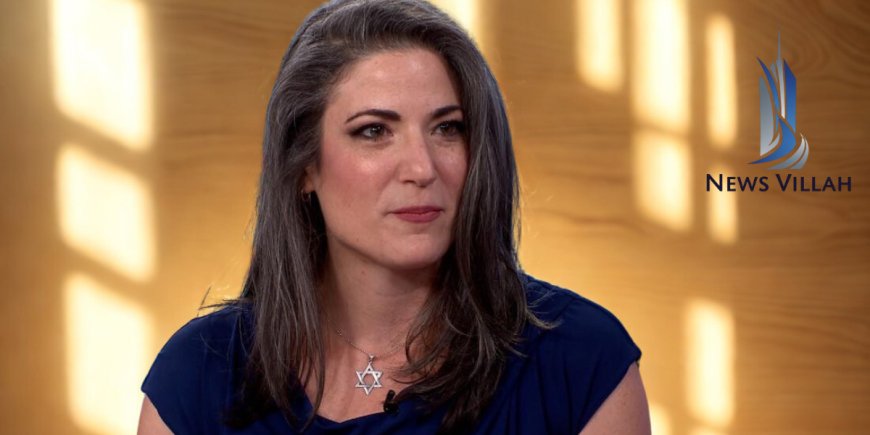
Table of Contents
- Preface
- Who Is Batya Ungar-Sargon?
- Early Life and Education
- Entry Into Journalism
- Role at Newsweek
- Political Commentary Style
- Views on Class and Economics
- Media Appearances and Public Presence
- Why Is Batya Ungar-Sargon Controversial?
- Social Media and Public Debate
- Influence on Political Discourse
- Public Interest and Search Trends
- Criticism and Support
- Personal Life and Privacy
- Future Outlook
- Conclusion
-
Preface
Batya Ungar-Sargon has emerged as one of the most recognizable and debated voices in contemporary American political commentary. Known for her sharp analysis, willingness to challenge ideological orthodoxies, and frequent media appearances, she occupies a unique space in today’s polarized media landscape. This article explores her background, career trajectory, political views, and why so many people are searching for information about her.
-
Who Is Batya Ungar-Sargon?
Batya Ungar-Sargon is an American journalist, editor, and political commentator. She is widely known for her work as the opinion editor of Newsweek and for her appearances on television and digital media platforms, where she discusses issues related to politics, class, media bias, and American democracy.
What distinguishes batya ungar sargon from many commentators is her focus on class dynamics rather than traditional left-versus-right ideological battles. She often critiques elite institutions and argues that economic divisions, rather than cultural ones, are the most important fault lines in modern American politics.
-
Early Life and Education
Batya Ungar-Sargon was born into a family with strong academic and intellectual influences. She spent part of her early life in Israel before moving to the United States, an experience that shaped her worldview and understanding of global politics.
She earned her undergraduate degree from the University of California, Berkeley, before completing a Ph.D. in English literature at the University of California, Los Angeles (UCLA). Her academic background in literature contributes to her ability to analyze narratives, rhetoric, and media framing—skills that later became central to her commentary work.
-
Entry Into Journalism
Before becoming a well-known media personality, Batya Ungar-Sargon built her career through traditional journalism and editorial roles. She worked in publishing and media criticism, gradually developing a reputation for thoughtful and sometimes contrarian analysis.
Her transition from academia to journalism allowed her to apply theoretical insights to real-world political and cultural debates. Over time, batya ungar sargon became known for questioning assumptions held by both major political camps, which helped her stand out in a crowded media environment.
-
Role at Newsweek
One of the most significant milestones in her career was becoming the opinion editor at Newsweek. In this role, she was responsible for shaping editorial perspectives, selecting contributors, and guiding public-facing political discourse.
At Newsweek, batya ungar sargon emphasized publishing a wide range of viewpoints, often including voices that challenged mainstream narratives. Her editorial approach sparked debate but also attracted readers seeking perspectives outside the usual partisan echo chambers.
-
Political Commentary Style
Batya Ungar-Sargon’s political commentary does not fit neatly into conventional ideological labels. Although she is often associated with left-leaning economic views, she has criticized progressive cultural politics and media elites for being disconnected from working-class realities.
Her core arguments frequently revolve around:
-
Economic inequality and class divisions
-
Media bias and elite influence
-
The decline of trust in institutions
-
The political behavior of working-class voters
Because of this approach, batya ungar sargon often finds herself praised and criticized by people across the political spectrum.
-
-
Views on Class and Economics
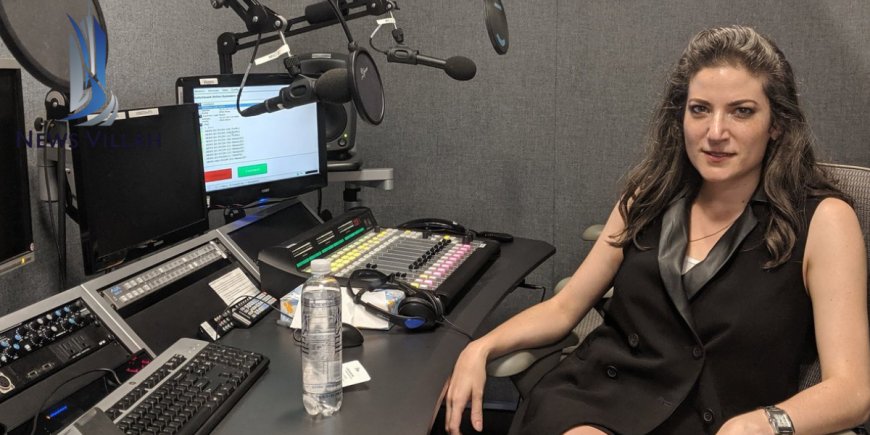
Batya Ungar Sargon A central theme in her work is the belief that class has replaced ideology as the most important driver of political behavior. She argues that many political debates framed as cultural conflicts are actually rooted in economic insecurity and social status anxiety.
Batya ungar sargon frequently points out that political parties and media outlets tend to prioritize the interests of educated elites, leaving working-class voters feeling ignored. This perspective has resonated with audiences who feel underrepresented in mainstream political discussions.
-
Media Appearances and Public Presence
In recent years, Batya Ungar-Sargon has become a familiar face on cable news, podcasts, and online talk shows. She regularly appears on programs discussing current events, elections, and social issues.
Her ability to articulate complex arguments in accessible language has contributed to her growing visibility. As batya ungar sargon continues to appear in high-profile media spaces, public curiosity about her background and beliefs has steadily increased.
-
Why Is Batya Ungar-Sargon Controversial?
Like many outspoken commentators, Batya Ungar-Sargon has faced controversy. Critics argue that her critiques of progressive culture sometimes align too closely with conservative talking points, while supporters say she offers necessary criticism of ideological rigidity.
The controversy surrounding batya ungar sargon often stems from her refusal to conform to partisan expectations. In an era when many commentators are clearly aligned with one side, her independent stance can make audiences uncomfortable—but also deeply engaged.
-
Social Media and Public Debate
Social media has amplified her influence and visibility. Clips of her debates and interviews frequently circulate online, sparking intense discussion. Supporters praise her willingness to challenge elite consensus, while detractors question her conclusions or framing.
Batya ungar sargon uses social platforms primarily to share commentary, promote media appearances, and engage with ongoing political debates. Her online presence reflects her broader media strategy: direct, analytical, and unapologetically critical.
-
Influence on Political Discourse
While she may not represent a majority viewpoint, Batya Ungar-Sargon plays an important role in shaping conversations about class, media responsibility, and political representation. Her arguments often force both progressives and conservatives to reconsider assumptions about voters and institutions.
By focusing on economic realities rather than purely cultural symbolism, batya ungar sargon contributes a perspective that is often missing from mainstream political debate.
-
Public Interest and Search Trends
Search interest in Batya Ungar-Sargon has grown alongside her media appearances and viral interview clips. Many people search her name to understand her background, political alignment, and professional credentials.
This rise in interest reflects a broader trend: audiences are increasingly curious about commentators who defy simple ideological labels. Batya ungar sargon’s career exemplifies this shift toward more complex, cross-cutting political analysis.
-
Criticism and Support
Supporters argue that Batya Ungar-Sargon brings much-needed honesty to political discussions and gives voice to working-class concerns. They appreciate her willingness to critique powerful institutions, including media organizations.
Critics, on the other hand, question whether her framing oversimplifies certain issues or underestimates the importance of cultural and identity-based politics. These debates further fuel interest in batya ungar sargon and keep her name relevant in political discourse.
-
Personal Life and Privacy
Unlike many public figures, Batya Ungar-Sargon keeps her personal life largely private. She rarely discusses family matters in public, choosing instead to focus on professional and political topics.
This separation between personal and professional life contributes to the sense that her public persona is defined primarily by ideas rather than celebrity culture.
-
Future Outlook
As political polarization continues and trust in institutions remains fragile, voices like Batya Ungar-Sargon are likely to remain influential. Her emphasis on class, media accountability, and institutional critique aligns with broader public frustrations.
Whether one agrees or disagrees with her conclusions, batya ungar sargon has established herself as a significant figure in modern political commentary—someone whose arguments are difficult to ignore.
-
Conclusion
Batya Ungar-Sargon is more than just a media commentator; she is a symbol of a shifting political conversation that prioritizes economic realities and challenges elite consensus. Through her journalism, editorial leadership, and public debates, she has carved out a distinct place in American political discourse.
The growing interest in batya ungar sargon reflects a hunger for perspectives that go beyond traditional partisan boundaries. As media landscapes evolve, her voice is likely to remain part of the conversation—provoking debate, encouraging reflection, and challenging assumptions on all sides.
What's Your Reaction?
 Like
0
Like
0
 Dislike
0
Dislike
0
 Love
0
Love
0
 Funny
0
Funny
0
 Angry
0
Angry
0
 Sad
0
Sad
0
 Wow
0
Wow
0