















Mozambique: Women, capulana dresses, and police violence stand out at Nampula protests

Capulanas, protests, and social media reveal new forms of women's resistance and digital activism in Mozambique.
Originally published on Global Voices

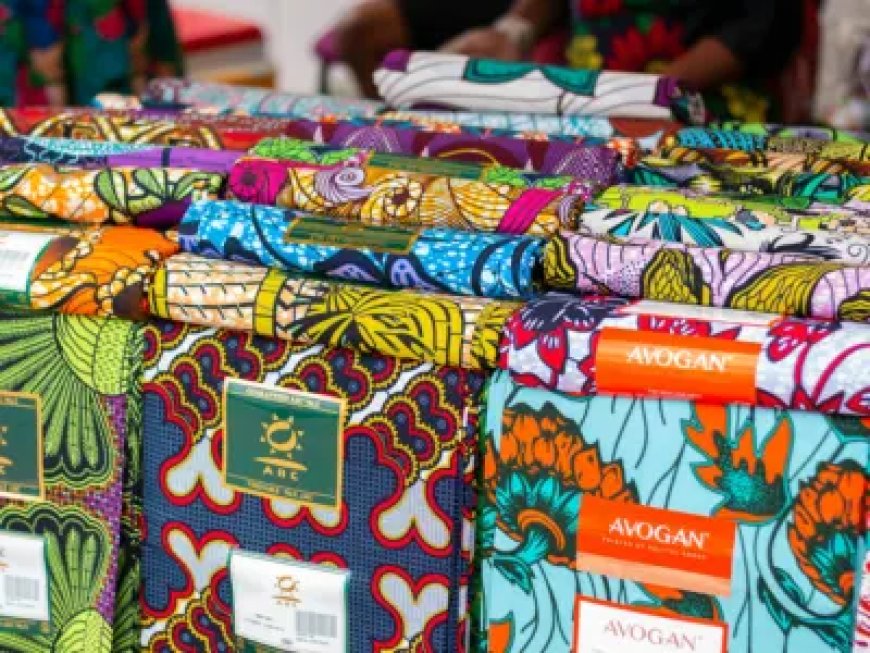
A stack of capulanas. Photo taken by Wyte Shot. Accra, Ghana. Via Pexels. Pexels license.
Days before April 7, Mozambican Women’s Day, women protestors took to the streets of Nampula city protesting over Mozambiquan first lady Gueta Chapo’s failure to deliver on promises to give out capulanas (colorful dresses popular in Mozambique) in celebration of the date. This is reminiscent of political protests following the 2024 general elections, when demonstrators took to the streets and women — many wearing capulanas — visibly stood out amid intensifying confrontations with police and roadblocks. Similar demonstrations occurred in Anchilo after the first lady announced she had no capulanas to offer. Two people were wounded by bullets during the confrontation.
Capulana: From cultural symbol to tool of resistance
The capulana is central to Mozambiquan cultural identity and is a staple for many women. However, this garment gained new significance amid the protests in Nampula. Beyond mere clothing, protesters used it as improvised protection against tear gas, and it became a visual symbol of unity and resistance, building on its earlier association with women’s participation in the national liberation struggle and, in turn, with the image of independence activist Josina Machel.
The use of culturally significant objects in protests is not new. Studies in African contexts show how traditional fabrics and symbols can take on political importance during crises and demonstrations. The growing number of women protesters reflects an upward trend of female participation in civic life in Mozambique.
Organizations such as Amnesty International and Human Rights Watch have documented risks faced by protesters, including excessive use of force, arbitrary arrests, and intimidation — with varying impacts on women and young people. An activist who asked not to be identified told Global Voices, “Women are no longer just observers. They are part of the movement.”
Tension at a national level
The recent events in Nampula are linked to a broader instability that has followed the 2024 general election, during which, according to the platform Decide, thousands of people were arrested, and hundreds died in related events. In addition, organizations such as the Center for Public Integrity are alerted to election irregularities and breaches of transparency.
Digital space and protest visibility
Much of the documentation of the protests in Nampula was shared online. This shows how social media has become a central tool for reporting abuse, mobilizing citizens, and sharing evidence in real time. However, organizations such as Access Now and CIPESA (The Collaboration on International Policy for East and Southern Africa) have warned of the risks of restricting internet access during times of political upheaval.
While Mozambique has not restricted internet access thus far, with the approval of Decree No. 48/2025 on December 16, 2025, officials established control mechanisms that would allow them to block access to the country’s telecommunications networks. Officials have also proposed a new Highway Code that penalizes those who block public roads during protests. The draft was made available to the public for comment.
This situation raises lines of analysis and questions, such as: How is the use of social media redefining digital activism and citizen documentation in Mozambique, especially in contexts of protest and political tension? What is the possibility of growth for alternative forms of digital mobilization, decentralization of information, and use of encrypted platforms in contexts of greater state control, and what comparisons can be made with other African countries, where internet blocks have been used during protests, elections, or political crises?
What's Your Reaction?
 Like
0
Like
0
 Dislike
0
Dislike
0
 Love
0
Love
0
 Funny
0
Funny
0
 Angry
0
Angry
0
 Sad
0
Sad
0
 Wow
0
Wow
0