




















Caught between silence and visibility: LGBTQ+ experiences in Mozambique

While Mozambique has a better LGBTQ+ track record than some in the region, tolerance that doesn’t eliminate exclusion
Originally published on Global Voices

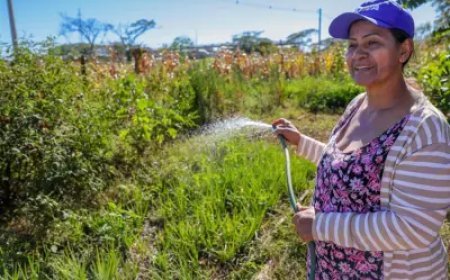
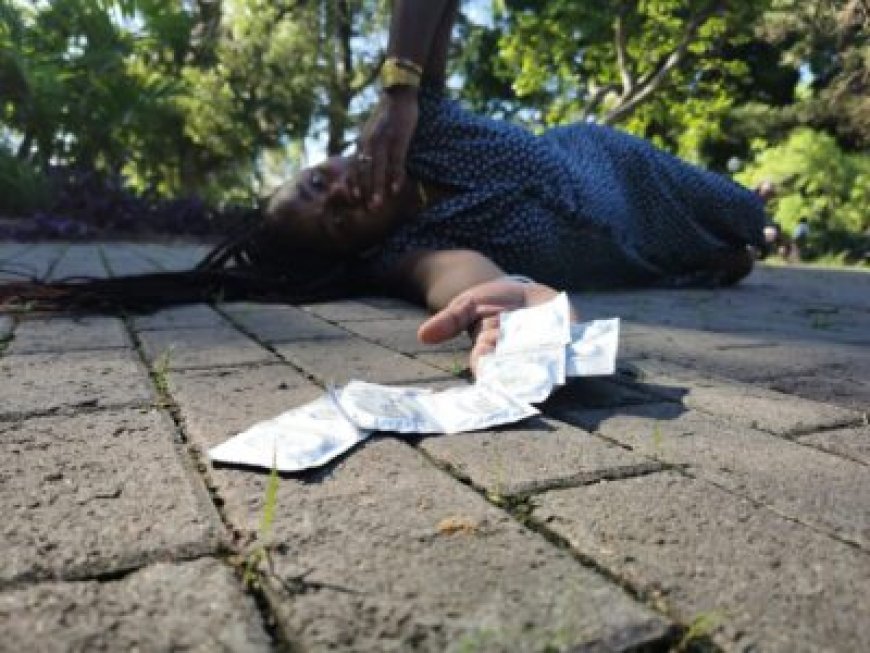
Photo taken by LGBTQIA+ activists. Maputo, Mozambique: 2024. Used with permission.
In Mozambique, the lack of laws criminalizing LGBTQ+ identities is often taken as a sign of tolerance. However, for many transgender people and LBQ (lesbian, bisexual, and queer) women, their everyday reality tells a different story. In schools, health facilities, workplaces, religious spaces, and on digital platforms, discrimination continues to affect access to rights, opportunities, and social participation.
Although legal persecution is less obvious than in some countries in the region, such as Nigeria, activists say exclusion often works through silence, invisibility, and institutional neglect.
“As nobody writes about us, we become invisible,” said Pepetsa Fumo, a Trans activist with Transform, an organization working for the recognition and inclusion of trans people in Mozambique.
Schools as spaces of exclusion
For many activists, exclusion begins in the education system, where school curricula are profoundly heteronormative, leaving little room for discussions about sexual orientation, gender identity, or diversity.
One example of this institutional resistance to inclusion is that officials have withdrawn any references to sexual orientation from Mozambiquan school materials. According to activists, this environment contributes to bullying, psychological violence, and a high dropout rate among LGBTQ+ students. Many teachers receive little or no training on diversity, human rights, and inclusion, limiting their ability to create safe learning environments, as Pepetsa noted in an interview with GV.
“The challenge begins in the ministry itself, and in the way teachers are trained to not respect diversity.”
These educational inequalities often continue into adulthood, affecting employment opportunities, economic security, and social mobility.
Economic survival beyond recognition
Economic vulnerability has become one of LGBTQ+ activists’ most persistent worries. Many Trans people and LBQ women face difficulties in accessing formal employment, professional training, and alternative income-generating opportunities. While various community initiatives aim to support people economically, they face significant structural barriers, including limited funding, a lack of management training, and dependence on external support.
“Today you have work, tomorrow it’s over. Then you’re back to taking a break in the shade again,” Pepetsa observed.
Organizations such as Por Ela (By Her) try to address these challenges by prioritizing LBQ women-led businesses and promoting community leadership and entrepreneurship initiatives. But for activists, economic empowerment cannot be separated from wider struggles for dignity, recognition, and citizenship.
Health and the limits of visibility
Healthcare is another area where both advances and exclusion coexist. Years of campaigning have developed for greater recognition of Trans communities in response to HIV and AIDS, but still, activists often question the language used in public policy.
“I am not a ‘key population.’ I'm Darius. Don’t confuse me with this category,” said one interviewee in an interview with GV.
Although trans people have gained greater visibility within some institutions, LBQ women remain largely absent from debates and health programs. Many health professionals are trained in analyzing LGBT key populations and communities, but they rarely receive training about the specific needs of LBQ women. According to activists, this invisibility has real consequences. Cases of violence against lesbian women, for example, are often recorded only as gender-based violence, without considering if their sexual orientation motivated the attack.
Digital spaces: Between empowerment and vulnerability
For many LGBTQ+ communities in Mozambique, digital platforms have become essential tools for organizing, mobilizing, and raising awareness. Social media allows queer communities to share experiences, publicly document respect for rights in practice, build networks of solidarity, and amplify community voices. However, the same spaces also expose activists and human rights defenders to online harassment, surveillance, and violence.
Queer activists, trans people, and women human rights defenders recount experiences of hate speech, intimidation, disinformation campaigns, and public exposure that reproduce wider patterns of social exclusion. These issues are arising at a time when debates on digital governance and cybersecurity are becoming more prominent in Mozambique. While officially politicians focus on technological development and digital security, activists argue that the discussion should also include freedom of expression, privacy, and civic participation.
Beyond the paradox
The experiences of trans people and LBQ women in Mozambique demonstrate that exclusion is rarely limited to only one sphere of social life. Educational barriers, economic precariousness, inequalities in access to healthcare, and digital violence reinforce each other, creating cycles of vulnerability that go far beyond identity issues.
For activists, this is above all a discussion about citizenship, participation, and democratic inclusion. Recognition is important, but it is not enough. Real inclusion requires access to rights, economic opportunities, security, and representation — in both financial spaces and in digital environments.
In a global context characterized by the advance of anti-rights movements and the expansion of digital surveillance, the experiences of LGBTQ+ communities in Mozambique highlight the importance of bringing debates on gender, diversity, and digital justice closer to the lived realities of communities in the Global South.
What's Your Reaction?
 Like
0
Like
0
 Dislike
0
Dislike
0
 Love
0
Love
0
 Funny
0
Funny
0
 Angry
0
Angry
0
 Sad
0
Sad
0
 Wow
0
Wow
0